
Pests and Diseases
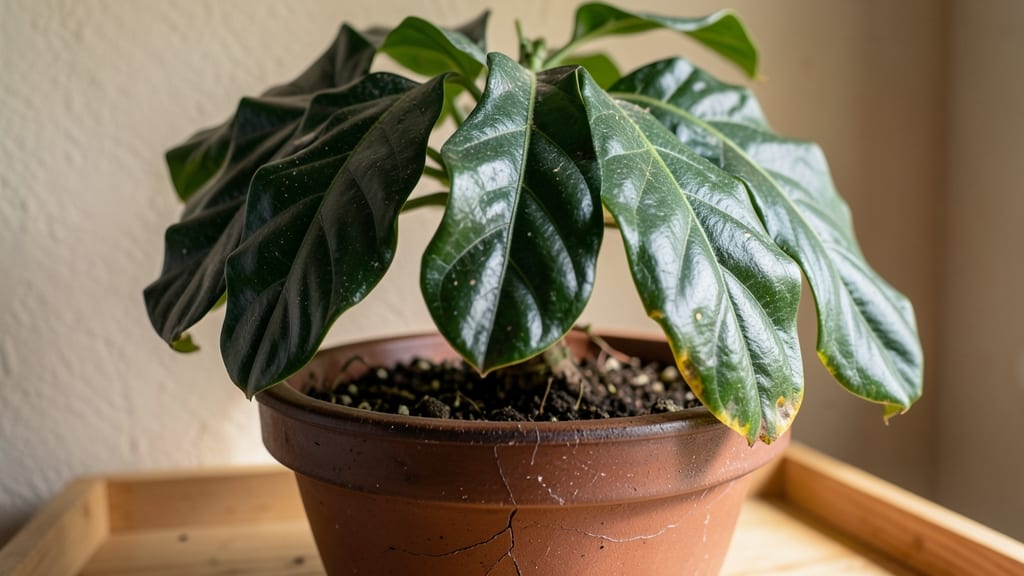
Your fiddle leaf fig’s drooping leaves and crispy edges aren’t a death sentence—just a cry for help. 🌿 I’ve nursed back more than a dozen of these plants from the brink, and the fix comes down to two things: watering smarter and pruning strategically.
What looks like neglect is often just a mismatch between your plant’s needs and your care routine.
The real culprits? Overwatering (which suffocates roots), underwatering (which causes dehydration stress), or inconsistent light that leaves leaves limp and brown-edged. My first revival attempt failed because I assumed "more water" would help—until I realized the soil was soggy, not thirsty.
The key is checking the top 2 inches of soil before watering, and always using room-temperature water.
With the right pruning, you’ll see new growth within 4-6 weeks—thicker stems, glossier leaves, and a plant that actually bounces back. Trim crispy edges with clean scissors (sterilized with rubbing alcohol) and cut back leggy stems to encourage bushier growth.
The results? A fiddle leaf fig that looks like it belongs in a botanical garden, not a "I almost killed it" collection.
Works for any fiddle leaf fig, whether it’s a new plant or a veteran struggling through winter. Here’s how to bring it back to life—step by step.
Root Causes Behind Leaf Sag
When your fiddle leaf fig’s leaves start to droop like a tired flag, it’s usually a cry for help from the plant’s core systems. Understanding the why behind the wilt is the first step to bringing it back to life.
Below, we break down the most common triggers—each with a clear scientific explanation and actionable clues to spot them early.
Fiddle leaf figs thrive in consistent moisture, but their roots are sensitive to extremes. Here’s what’s happening:
- Underwatering: When soil dries out completely, the plant’s vascular system (xylem) struggles to transport water upward. Cells lose turgor pressure (the "plumpness" that keeps leaves upright), causing droop. Think of it like a deflating balloon—no water = no structure.
- Overwatering: Soggy soil cuts off oxygen to roots, triggering anaerobic respiration. This toxic process releases ethanol and other byproducts that damage root cells, leading to wilting as the plant can’t absorb nutrients or water efficiently. Root rot often follows, sealing the plant’s fate.
- Inconsistent watering: Fiddle leaf figs hate boom-and-bust cycles. Uneven moisture stresses roots, causing them to partially suffocate or starve in turns. This erratic behavior confuses the plant’s hormonal signals, leading to droopy, limp leaves.
🔍 How to tell: Stick your finger 2–3 inches into the soil. If it’s bone-dry, it’s underwatered. If it’s damp or mushy, you’ve overdone it. Pro tip: Use a moisture meter for precision—aim for 60% moisture at the base but never soggy.
Fiddle leaf figs are heliophytes—they love light, but not too much of the wrong kind. Drooping can signal a light-related crisis:
- Too little light: Without adequate photosynthesis, leaves lose energy to sustain their structure. Chlorophyll breaks down, and cells can’t pump water efficiently, leading to wilting. Shadow leaves (pale, yellowing undersides) are a dead giveaway.
- Too much direct sun: Intense rays cause photoinhibition, where sunlight damages chlorophyll and overheats leaf cells. The plant wilts to reduce surface area and protect itself—like pulling in your shoulders on a hot day.
- Sudden light changes: Moving a plant from low to bright light (or vice versa) shocks its photomorphogenesis pathways. The abrupt shift disrupts hormone production, causing leaves to droop as the plant "recalibrates."
🔍 How to tell: Check leaf color: Yellowing = too much sun; Dark green but limp = too little. If new growth is stretched and weak, it’s craving more light. Pro tip: Rotate your plant quarter-turns weekly to ensure even growth and avoid "sunburn" on one side.
Fiddle leaf figs are tropical natives, so they hate sudden swings in temperature or dry air. Here’s how climate factors cause droop:
- Cold drafts: Temperatures below 60°F (15°C) slow metabolic processes, including water uptake. Cold roots can’t absorb nutrients, leading to wilting. Drafts (like AC vents or open windows) create thermal shock, causing leaves to droop as a protective measure.
- Low humidity: In dry air (<30% humidity), leaves transpire water faster than roots can replace it. This creates a water deficit, and cells lose turgor. Brown, crispy edges often accompany the droop.
- Heat stress: Above 85°F (30°C), enzymes in leaves denature (break down), and stomata (pores) close to conserve water—leading to wilting. High heat also increases evaporation from soil, drying roots out faster.
🔍 How to tell: Feel the underside of leaves: Dry and cool = low humidity. Check for uneven drooping near drafts (e.g., AC vents). Pro tip: Use a hygrometer to monitor humidity—aim for 40–60%. A pebble tray or humidifier can help in dry climates.
Sometimes, the problem isn’t above ground. Root and soil health play a critical role in leaf structure:
- Compacted or poor soil: Dense, clay-heavy, or nutrient-poor soil restricts root expansion and oxygen flow. Roots suffocate, can’t anchor the plant, and leaves droop from lack of support.
- Root-bound pots: When roots circle the pot (a sign of being root-bound), they compete for water and nutrients, starving the plant. The plant can’t absorb enough to keep leaves upright.
- Fungal/bacterial infections: Pathogens like Pythium or Erwinia attack roots, blocking water transport. Infected roots rot or decay, causing leaves to droop as the plant can’t sustain hydration.
🔍 How to tell: Gently remove the plant from its pot: Roots circling the bottom = root-bound. Smelly, mushy roots = infection. Pro tip: Repot every 2–3 years in well-draining mix (e.g., 50% potting soil, 30% perlite, 20% orchid bark).
💡 Key Takeaway: Drooping is almost always a hydration or structural support issue. The good news? Most causes are reversible with consistent care. Start by checking soil moisture, light exposure, and root health—your plant’s revival depends on fixing the root problem (literally!).
Revive Your Leafy Friend Now
A drooping fiddle leaf fig doesn’t have to be a sad sight—with the right care, you can bring it back to its vibrant, perky self! Below are targeted fixes for the most common causes of drooping, crispy edges, or wilted leaves, plus prevention tips to keep your plant thriving long-term.
Think of this as your plant’s emergency first aid kit—simple, actionable, and effective.
If your fiddle leaf fig’s soil feels soggy or waterlogged, root rot could be the culprit. Overwatering suffocates roots, cutting off oxygen and nutrients, which causes drooping and yellowing leaves.
How to Fix It:
- 🔥 Stop Watering Immediately Let the top 2–3 inches of soil dry out before watering again. Stick your finger in—if it’s damp past your first knuckle, wait longer.
- 🍳 Check the Drainage Fiddle leaf figs hate sitting in water. If your pot lacks drainage holes, transfer your plant to one with holes or add a layer of pebbles at the bottom to improve airflow.
- 👨🍳 Trim the Damage (If Needed) If roots look mushy or black when you gently remove the plant from its pot, snip off the rotten parts with sterilized scissors. Repot in fresh, well-draining soil (a mix of potting soil + perlite or orchid bark works well).
- ⏰ Monitor Recovery Place the plant in bright, indirect light (no direct sun yet!) and water only when the top 2 inches are bone-dry. It may take 4–6 weeks to bounce back.
💡 Prevention Tip: Use a moisture meter or the "knuckle test" to avoid overwatering. Fiddle leaf figs prefer drier soil—think of them like succulents with a touch more drama!
Fiddle leaf figs are light-loving but sunburn easily. If leaves are drooping, crispy, or bleached, your plant might be sun-stressed or light-deprived.
How to Fix It:
- 🌡️ Find the Sweet Spot Place your plant 6–10 feet from a bright, indirect light source (east or north-facing windows are ideal). Avoid direct midday sun, which can scorch leaves.
- 🎯 Rotate for Even Growth Turn the pot quarter-turn weekly so all sides get equal light. This prevents lopsided drooping.
- 🌿 Adjust Gradually If your plant is light-starved, move it closer to a window inch by inch over 2 weeks to avoid shock.
💡 Prevention Tip: If you’re using grow lights, opt for full-spectrum LEDs and keep them 12–18 inches away from the leaves. Aim for 12–14 hours of light per day.
Brown, crispy edges on leaves? Your fiddle leaf fig is thirsty or stressed from dry air. Low humidity causes leaf tips to dry out, making them droop and curl.
How to Fix It:
- 🥗 Increase Humidity
- Mist leaves 2–3 times a week (early morning to avoid fungal issues).
- Place the pot on a pebble tray filled with water.
- Use a humidifier nearby (40–60% humidity is ideal).
- 💪 Deep Water When Needed Water thoroughly until it drains from the bottom, then empty the saucer. Never let it sit in water—this leads to root rot!
- 🌡️ Trim Damaged Leaves Use clean scissors to snip off crispy edges or brown leaves at the base. This helps the plant focus energy on new growth.
💡 Prevention Tip: Group plants together—they create their own microclimate! A fiddle leaf fig + a snake plant or pothos nearby can boost humidity naturally.
If your plant has sticky residue, white webs, or spots, pests or fungal issues might be weakening it, causing drooping.
How to Fix It:
- 🔪 Identify the Problem
- Spider mites? Look for tiny webs on undersides of leaves.
- Mealybugs? Check for cottony white clumps.
- Fungal spots? Yellow/brown patches with fuzzy edges?
- 🍳 Treat with Natural Remedies - Neem oil spray: Mix 1 tsp neem oil + 1 tsp mild soap + 1 quart water.
Spray every 5–7 days until pests vanish. - Rub off pests: Dip a cotton swab in rubbing alcohol and dab mealybugs/spider mites gently. - Fungal issues? Remove infected leaves and repot in fresh, sterile soil with fungicide (like copper-based sprays).
- 🌿 Quarantine & Monitor Isolate the plant until pests/disease are gone. Check undersides of leaves regularly.
💡 Prevention Tip: Inspect new plants before bringing them home! Quarantine them for 2 weeks to catch hitchhiking pests early.
If your fiddle leaf fig is beyond saving but you want to save the healthy parts, pruning and propagating is the way to go!
- 🔪 Snip Healthy Stems Cut 4–6 inch sections just below a leaf node (where leaves grow). Use sterilized scissors.
- 🌿 Propagate in Water Place cuttings in a jar of room-temperature water, changing it every 3–5 days. Roots should appear in 2–4 weeks.
- 🌱 Repot the New Plant Once roots are 1–2 inches long, transfer to well-draining soil and treat as a new plant!
💡 Pro Tip: Use rooting hormone to speed up growth, or try water + a drop of hydrogen peroxide (1 tsp per cup) to prevent bacterial growth.
Final Thought: A drooping fiddle leaf fig is often a cry for help—whether it’s thirst, stress, or pests. Act fast, adjust one thing at a time, and your plant will bounce back with stronger, shinier leaves in no time! 🌿✨
Frequently asked questions
Why do fiddle leaf fig leaves droop even after watering?
Drooping after watering usually means root rot or compaction from overwatering. The roots can't absorb water properly when they're suffocating. Check if the soil stays soggy for days—if so, let it dry completely before watering again. Also verify your pot has drainage holes and consider repotting with fresh, airy soil.
Can I save a fiddle leaf fig with completely droopy stems?
Yes! Even if stems look limp, the plant may still recover with proper care. First, trim any mushy or black roots (signs of rot). Then adjust watering to only when the top 2 inches of soil are bone-dry. Place it in bright, indirect light and maintain 40-60% humidity. New growth should appear in 4-6 weeks if the root system is healthy.
How often should I rotate my fiddle leaf fig to prevent uneven drooping?
Rotate your plant quarter-turn weekly to ensure even light exposure. This prevents one side from stretching toward light while the other droops. If you notice leaves leaning or growing unevenly, that's your cue to adjust position. For indoor plants, a slow rotation mimics natural outdoor light patterns.
What's the difference between drooping from thirst and drooping from too much water?
Thirst-related drooping happens when leaves feel lightweight and crispy at the edges, while overwatered plants have heavy, mushy stems that stay droopy even after watering. Check the soil: if it's bone-dry at 2 inches deep, it's thirsty. If damp or smelly, it's overwatered. Adjust your watering schedule accordingly.
Will pruning help a severely drooping fiddle leaf fig?
Pruning can actually save your plant by redirecting energy to healthy growth. Trim crispy leaves at the base and cut back leggy stems to encourage bushier regrowth. For severely drooping plants, focus on removing dead leaves and any stems with black spots (rot). Always use sterilized scissors to prevent infection.