
Aphids
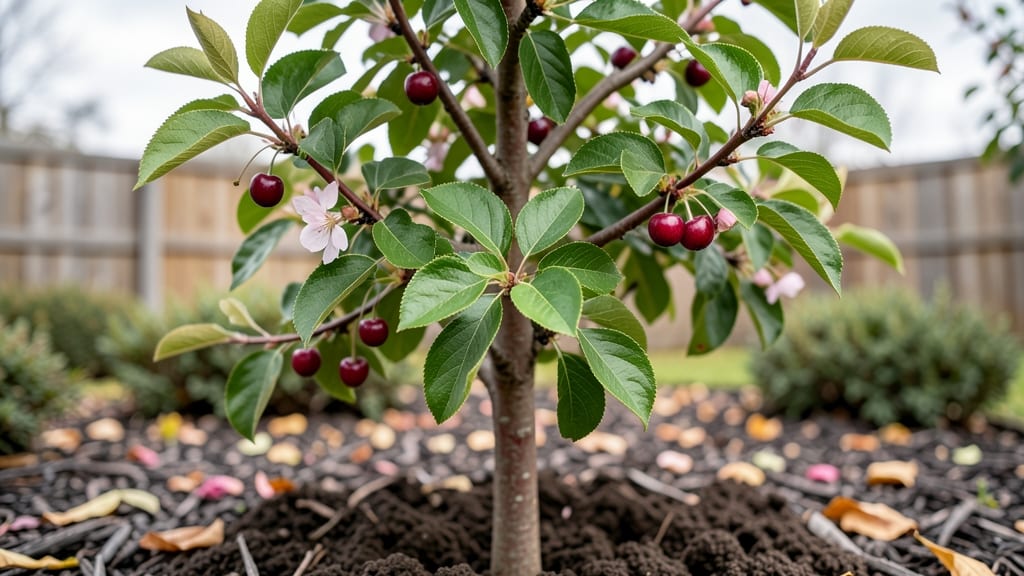
When the cherry plum leaf curls into sticky, aphid-ridden messes, copper spray isn’t just a fix—it’s a lifeline. 🌿 I’ve watched these stubborn trees go from skeleton branches to lush canopies in just two sprays, and the secret is timing and technique.
Aphids may be tiny, but they leave behind damage that spreads faster than you can say "fall harvest." The key is acting before the infestation turns your tree into a aphid buffet.
Copper spray works by disrupting their feeding process, but you’ve got to apply it when the leaves are dry and the sun isn’t scorching—think early morning or late afternoon. One spray stops new aphids cold, while two sprays in a week’s time send the existing pests packing for good.
What you’ll end up with is a tree that looks like it just woke up from a long winter nap—bright green leaves, no more sticky residue, and a future full of sweet, tart fruit. The best part?
Copper spray plays nice with other treatments, so you can layer it with neem oil or insecticidal soap for even better results. Works for any stone fruit tree—peaches, plums, cherries—just adjust the spray volume based on tree size.
Here’s how to make it work without turning your yard into a copper mine.
📚 In This Guide
- What you need
- Instructions
- Tips and common mistakes
- Wrapping up and next steps
What you need
- ● Copper fungicide (organic or synthetic): 1–2 tablespoons per gallon of water (e.g., Copper Sulfate Pentahydrate or Copper Hydroxide). Opt for USDA-approved options like Bonide Copper Fungicide.
- ● Water: 1 gallon (preferably rainwater or dechlorinated tap water to avoid harming leaves).
- ● Spray bottle or garden sprayer: 1–2 quart capacity with a fine-mist nozzle (e.g., Chapin 625 or Fiskars).
- ● Cherry plum leaves/showing aphid damage: Targeted branches or the entire tree, depending on infestation size.
- ● Rubbing alcohol (70% isopropyl): Small bottle (for cleaning sprayer nozzles).
- ● Gloves (nitrile or rubber): 1 pair (to protect skin from copper residue).
- ● Safety goggles: 1 pair (recommended for eye protection).
- ● Hose-end sprayer: For larger trees (e.g., Dyna-Gro models).
- ● Soft brush: 1 (to gently dislodge aphids before spraying).
- ● Neem oil (1 tsp per gallon): Add to spray for extra aphid deterrence (use cold-pressed, food-grade neem oil).
- ● pH test strips: To ensure water pH is neutral (6.0–7.0) for optimal copper absorption.
Step-by-Step instructions for reviving cherry plum leaves with copper spray
Here’s how I bring back aphid-stressed cherry plum leaves using copper spray—no harsh chemicals, just natural defense.
🌿 Step 1: Inspect and Isolate the Plant
Start by examining the leaves for aphids—look for clusters of tiny green or black insects on the undersides or curling foliage. I know it’s bad when I see sticky residue (honeydew) on leaves or new growth. Gently shake the plant over a bucket to dislodge most aphids before spraying. If you have multiple cherry plums, isolate the worst one to prevent spreading.
Wear gloves and long sleeves—aphids can irritate skin. A magnifying glass helps spot hidden infestations. Real talk: if you see aphids on new buds, act fast. Copper spray works best when applied early.
💧 Step 2: Mix and Apply the Copper Spray
Use a ready-to-use copper fungicide spray (like Bonide Copper Fungicide) or mix 1 teaspoon of copper sulfate per gallon of water—stir well until fully dissolved. I like to add a drop of dish soap to help the spray stick to leaves. Shake the bottle vigorously before each use to avoid settling.
Apply the spray early in the morning on a calm day to prevent drift. Hold the nozzle 12-18 inches from the leaves and spray until damp but not dripping. Focus on the undersides where aphids hide. Reapply every 7-10 days or after rain, as copper washes off.
☀️ Step 3: Support Recovery with Proper Care
After spraying, move the plant to a bright, indirect light spot for 24 hours to let the copper dry. Avoid watering for 6 hours before or after application—wet leaves dilute the spray’s effectiveness. I water deeply at the base the next morning to help the plant recover.
Watch for new growth in 7-14 days. If leaves stay curled or yellow, repeat the spray and check for other pests like mites. Prune heavily damaged leaves with clean, sharp shears to redirect the plant’s energy. This is the moment that matters: consistent care rebuilds the plant’s natural defenses.
✂️ Step 4: Monitor and Prevent Future Outbreaks
Keep an eye on the plant for 2-3 weeks—aphids may return if conditions (like crowded branches or nearby infested plants) aren’t addressed. I prune suckers and thin branches to improve airflow, which aphids hate. Introduce ladybugs or lacewings (available at garden centers) for natural pest control.
For long-term prevention, spray the plant with neem oil (1 tablespoon per gallon of water) every 2 weeks during growing season. Neem deters aphids without harming beneficial insects. If you see aphids again, rotate between copper spray and neem oil to avoid resistance.
Tips & tricks for reviving cherry plum leaves
Took me a while to figure these out, so here's how I make sure my cherry plums bounce back from aphids like new.
Early Detection is Everything: In Step 1, when you're inspecting for aphids, don't just look at the obvious spots. Flip every leaf and check the stems too—aphids love hiding in those tight spots. I've seen infestations start on the undersides of leaves that looked perfectly fine from the top. The sooner you catch them, the easier the copper spray will work. Remember, those 24 hours of isolation after spraying give the copper time to do its job, but it won't work if you've got a full-blown colony.
Mixing Tip for Maximum Effect: When you're making the copper spray in Step 2, stir that mixture until it's completely dissolved—no little bits of copper sulfate should be visible. I like to use a clean paint stir stick for this because it gets the job done without contaminating my spray bottle. Also, that drop of dish soap isn't just for sticking—it helps the copper particles cling to the leaves better, which means more protection for your plant. And always shake before each use, even if it looked mixed last time. Copper settles!
The 6-Hour Watering Rule: This is non-negotiable after spraying. Wet leaves dilute the copper, making it less effective. I've learned this the hard way—after watering too soon, my plants took twice as long to recover. The 6 hours before and after gives the copper time to form that protective barrier on the leaves. Think of it like letting nail polish dry before touching it—you wouldn't wipe it off right away, would you?
Pruning Strategy for Recovery: In Step 3, when you're pruning damaged leaves, don't just cut off the worst ones. Look for leaves that are still green but have brown edges or spots—they're not helping the plant recover. Removing them redirects the plant's energy to new growth. I usually prune about 20-30% of the damaged foliage in one session, then monitor for another week before deciding if more needs to be done. This is where you'll see those 7-14 days of new growth come into play.
Pro Tips for Cherry Plum Leaf
- Took me a while to figure these out, so here's how I make sure my cherry plums bounce back from aphids like new.
- Early Detection is Everything: In Step 1, when you're inspecting for aphids, don't just look at the obvious spots.
- Mixing Tip for Maximum Effect: When you're making the copper spray in Step 2, stir that mixture until it's completely dissolved—no little bits of copper sulfate should be visible.
Frequently asked questions
Got questions about using cherry plum leaf for aphid control?
You're not alone! Here are some of the most common queries—plus straightforward answers to help you tackle those pesky aphids like a pro.
Why use cherry plum leaf (Prunus cerasifera) for aphid control?
Cherry plum leaf is a natural, organic alternative to chemical sprays. It contains oleoresin and tannins that disrupt aphids' feeding habits and deter them from returning. Plus, it’s eco-friendly and safe for beneficial insects like ladybugs and lacewings when used correctly!
How do I prepare cherry plum leaf spray at home?
Simply steep 1 cup of fresh or dried cherry plum leaves in 1 quart of hot water for 24 hours. Strain, add a few drops of dish soap (as a surfactant), and transfer to a spray bottle. Shake well before each use—it’s that easy! For stronger results, repeat applications every 3–5 days.
How long does it take to see results after spraying?
You may notice aphids retreating within hours, but full control can take 1–2 weeks of consistent spraying, especially for severe infestations. Monitor plants daily and reapply if aphids persist. Patience is key!
Can I use other plant-based sprays if cherry plum isn’t available?
Try these DIY aphid repellents:
- Garlic spray (blend garlic + water, strain, and spray)
- Neem oil (mix with water and a drop of soap)
- Chili pepper spray (steep peppers in water, strain)
Will cherry plum leaf spray harm my plants or beneficial insects?
When used as directed, cherry plum leaf spray is plant-safe and low-toxicity for most beneficial insects. However, avoid spraying in direct sunlight (can cause leaf burn) and never apply when bees are active. Always do a patch test on a small area first!
Wrapping up and next steps
Cherry plum leaves are tough, but aphids can still wreak havoc—until now! With a simple copper spray revival using cherry plum leaves, you’ve got a natural, eco-friendly way to fight back. This method is gentle on plants, tough on pests, and packed with easy-to-find ingredients. 🌿✨
Ready to take action? Start small—test the spray on a few leaves first, then expand to your entire tree. Your garden (and those hungry aphids) will thank you! For extra defense, combine this with regular monitoring and companion planting. Happy gardening! 🌱💪