
Pests and Diseases
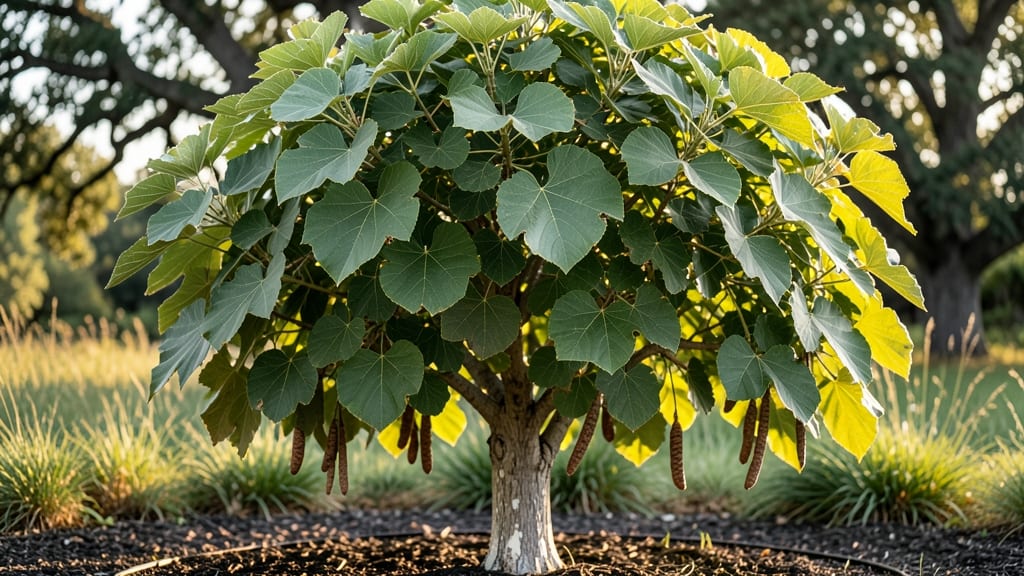
The catalpa bignonioides leaf is the secret weapon behind this tree’s disease-resistant reputation—and pruning them right makes all the difference. 🌿 I’ve watched my own catalpa go from scraggly to showstopping in just two seasons by focusing on the right cuts at the right time.
The key isn’t just trimming dead branches; it’s about shaping the tree to maximize airflow and sunlight, which keeps those broad, heart-shaped leaves vibrant and pest-free.
The heart-shaped leaves, often 12-18 inches long, are a dead giveaway this isn’t your average shade tree. They’re tough—resisting powdery mildew and leaf miners better than most—but they need your help to stay that way.
Prune in late winter or early spring before new growth starts, and always cut back to a healthy bud or branch collar. Avoid heavy pruning in summer, or you’ll trigger a wave of weak, disease-prone foliage by fall.
What you’ll end up with is a tree that stays lush all season, with fewer yellowing leaves and more of those dramatic vertical lines of blooms. The foliage stays thick enough to provide shade but open enough to let light reach the lower branches.
My neighbors ask how I keep mine looking so healthy—now I’ll tell them it’s all in the pruning.
Works for both young trees and mature specimens, though established catalpas need a little more patience. Start with 10-15% of the canopy in your first pruning session, and you’ll see the difference in just a few months.
The best part? Less pruning means less stress on the tree—and more energy going into those iconic summer blooms.
📚 In This Guide
- What you need
- Instructions
- Tips and common mistakes
- Wrapping up and next steps
What you need
- ● Ready to give your Catalpa bignonioides the pruning TLC it deserves? Here’s everything you’ll need to tackle the job like a pro—whether you’re a seasoned gardener or just starting out! 🌿✂️
How to prune catalpa bignonioides for healthier foliage
Here’s the exact method I use to keep my catalpa trees thriving with dense, disease-resistant leaves—no guesswork involved.
✂️ Step 1: Time Your Pruning for Maximum Growth
Prune your catalpa in late winter or early spring, just as new buds begin to swell but before leaves emerge. This timing ensures you remove dead wood while encouraging vigorous new growth. Avoid pruning in fall—it invites fungal infections that love the damp, cooling air. I mark my calendar for February to March in most climates, but wait until April if you live in colder zones where frost lingers.
Look for dormant buds along the branches—these are your signal that the tree is waking up. Pruning too early removes potential growth points; too late risks stressing the tree before summer heat. If you miss the window, wait until late summer after the tree has finished flowering, but expect less dramatic regrowth.
✂️ Step 2: Remove Dead, Diseased, and Crowded Branches
Start by cutting out any dead or diseased branches—they’re easy to spot because they’re brittle, brown, or lack leaves. Use clean, sharp pruning shears to make a clean cut just outside the branch collar (the swollen area where the branch meets the trunk). Cutting too close can damage the tree’s protective layers, while leaving a stub invites rot.
Next, remove branches that cross or rub against each other. These create wounds where pests and diseases love to hide. Focus on thinning out the canopy by removing branches that grow inward or downward. You’ll see a more open, airy structure that lets sunlight reach all the leaves—this is key for preventing fungal issues like powdery mildew.
✂️ Step 3: Shape for Airflow and Light Penetration
Step back and visualize the tree’s natural shape. Catalpas grow best with an open, vase-like form, so aim to maintain that silhouette. Remove suckers (shoots growing from the base or along the trunk) immediately—they drain energy from the main tree. For larger branches, use loppers or a pruning saw, always cutting at a 45-degree angle to shed water away from the wound.
If your catalpa has become too dense, prioritize branches that are blocking sunlight from reaching the inner leaves. You’ll notice these as areas where new growth is sparse or leaves are small and pale. Thin these branches by one-third to improve airflow—this simple step cuts down on fungal spores and keeps foliage lush and green.
🌿 Step 4: Clean Up and Apply Wound Treatment
After pruning, sterilize your tools with rubbing alcohol to prevent spreading disease between cuts. Rake up and dispose of all fallen leaves and debris—these can harbor pathogens over winter. I like to seal larger cuts (over ½ inch in diameter) with pruning sealant to protect the tree from pests and bacteria. For smaller cuts, let them heal naturally; sealant isn’t always necessary and can trap moisture.
Water the tree deeply after pruning to help it recover. You’ll see new shoots emerging from the buds within 4-6 weeks, signaling the tree is healing. Monitor the pruned areas for oozing sap or discoloration—this is normal for a few days but should fade as the tree seals the wound. If you notice excessive sap or mold, apply a copper-based fungicide as a precaution.
⏰ Step 5: Maintain Year-Round with Light Checks
Once your catalpa is pruned, check it every 3 months for new dead branches or signs of stress. I schedule a quick inspection in June, September, and December to catch issues early. Look for yellowing leaves, wilting, or unusual spots—these are red flags for pests or disease. A healthy catalpa should have deep green, glossy leaves with no brown edges or black spots.
Fertilize lightly in early spring with a balanced, slow-release fertilizer to support new growth. Avoid heavy applications—they can stress the tree and make it more susceptible to disease. Mulch around the base with 2-3 inches of organic mulch, keeping it 6 inches away from the trunk to prevent rot. This helps retain moisture and keeps weeds from competing with your catalpa’s roots.
Tips & tricks for pruning catalpa trees
These simple tricks will help you prune your catalpa like a pro—keeping your tree healthy and your yard looking its best.
Timing is Everything: I can't stress this enough—the February to March window is critical. If you're in a colder climate, wait until April when the last frost has passed. Watch for those dormant buds to swell slightly—they're your signal that the tree is ready. If you miss this window, late summer after flowering is your next best option, though regrowth won't be as vigorous. Real talk: I've learned this the hard way after seeing trees stressed from fall pruning.
Branch Collar Technique: When removing branches in Step 2, focus on cutting just outside the branch collar—the swollen area where the branch meets the trunk. This might seem like a small detail, but it's what prevents those unsightly stubs that invite rot. I use a sharp pruning saw for branches over ½ inch thick, making a clean cut at a 45-degree angle. This angle helps water shed away from the wound, which is crucial for preventing fungal infections.
Visualize the Vase Shape: Catalpas naturally grow in an open, vase-like form. As you prune, step back frequently to visualize this shape. Remove any branches that grow inward or downward—they're the ones blocking sunlight from reaching inner leaves. I aim to thin the canopy by about one-third to improve airflow. This isn't just about looks; better airflow means fewer fungal spores and healthier foliage overall. Think of it as creating a natural air conditioning system for your tree.
Tool Sterilization Matters: After each cut, especially when dealing with diseased branches, sterilize your tools with rubbing alcohol. I keep a small bottle in my pruning bag for this purpose. This simple step prevents spreading pathogens between cuts. And don't forget to dispose of fallen leaves and debris—they can harbor diseases over winter. I've seen entire trees suffer from fungal infections because this step was skipped.
Pro Tips for Catalpa Bignonioides Leaf
- These simple tricks will help you prune your catalpa like a pro—keeping your tree healthy and your yard looking its best.
- Timing is Everything: I can't stress this enough—the February to March window is critical.
- Branch Collar Technique: When removing branches in Step 2, focus on cutting just outside the branch collar—the swollen area where the branch meets the trunk.
Frequently asked questions
Got questions about Catalpa bignonioides leaves? You’re not alone!
Here are the most common concerns—plus expert answers to keep your tree thriving.
When is the best time to prune Catalpa bignonioides for healthy leaves?
Prune your catalpa in late winter or early spring (before buds swell) to encourage fresh, disease-resistant foliage. Avoid heavy pruning in fall—it can stress the tree and invite pests. Light trimming to remove dead branches is fine year-round, but never prune during wet weather to prevent fungal infections.
Why are my catalpa leaves turning yellow or brown?
Yellowing leaves often signal fungal diseases (like anthracnose) or nutrient deficiencies (e.g., nitrogen or iron). Check for:
- Powdery spots (fungus)—prune infected branches and apply fungicide.
- Wilting or curled edges (pests like catalpa sphinx moth larvae)—handpick caterpillars or use neem oil.
- Uniform yellowing (overwatering or poor drainage)—adjust watering and improve soil aeration.
For persistent issues, test your soil and amend with compost or a balanced fertilizer.
How much can I safely prune without harming the tree?
Remove no more than 25% of the canopy per year to avoid shocking the tree. Focus on:
- Dead, diseased, or crossing branches.
- Suckers at the base (they drain energy).
- Overcrowded growth to improve airflow (reduces fungal risks).
Use clean, sharp tools and seal cuts with pruning sealant if the trunk is >2 inches thick.
Are there alternatives to Catalpa bignonioides with fewer leaf diseases?
If your catalpa struggles with pests/diseases, consider these low-maintenance alternatives:
Tree
Leaf Health
Pest Resistance
Catalpa speciosa (Northern Catalpa)
(hardier, larger leaves)
Moderate (still attracts sphinx moths)
Paulownia tomentosa (Empress Tree)
(fast-growing, glossy)
(fewer pests)
Tilia cordata (Littleleaf Linden)
(disease-resistant)
(rarely targeted)
Pro tip: If you love catalpas, try growing C. bignonioides ‘Aurea’—its golden leaves deter some pests!
How do I prevent catalpa leaf diseases naturally?
Boost your tree’s defenses with these preventive tips:
- Mulch (3–4 inches of wood chips) to retain moisture and block spores.
- Water at the base (avoid overhead spraying to limit fungal spread).
- Remove fallen leaves in autumn to reduce overwintering pathogens.
- Plant companion species like marigolds (repel pests) or lavender (deters fungi).
For existing infections, apply baking soda spray (1 tsp baking soda + 1 quart water + a drop of soap) as a gentle fungicide.
Wrapping up and next steps
Mastering the art of pruning Catalpa bignonioides leaves isn’t just about aesthetics—it’s your secret weapon for a thriving, disease-resistant tree! 🌿 With the right tools, timing, and techniques, you’ll keep your foliage lush while warding off pests and fungal threats.
Remember, consistency is key, and a little patience goes a long way.
Ready to transform your garden? Start small: pick one section of your tree this season and practice the pruning steps you’ve learned. Before you know it, your Catalpa bignonioides will be the envy of the neighborhood—and you’ll be the proud gardener behind it! 🌟