
How To
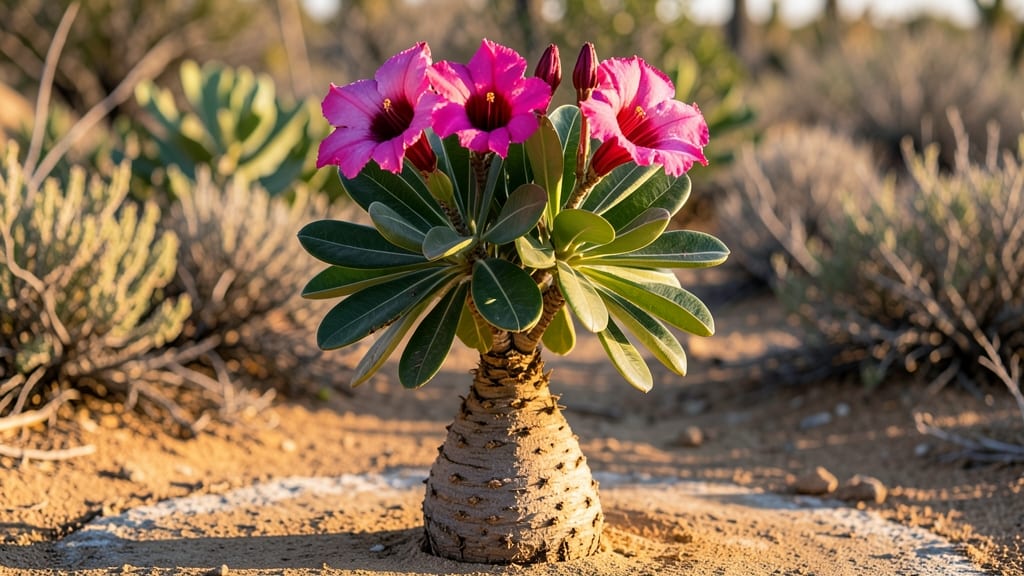
See those brown tips on the leaf of your desert rose?
That crunchy edge isn’t a death sentence—it’s a cry for help from a plant that’s tougher than it looks. 🌵 I’ve nursed more desert roses back from this exact problem, and the fix starts with understanding what’s really causing those crispy edges (spoiler: it’s rarely just "low humidity").
Most gardeners blame underwatering, but the real culprits are often overwatering (which stresses roots) or salt buildup from tap water—desert roses hate both. Check for other clues: if the tips are only brown while the rest of the leaf stays green, you’re likely dealing with environmental stress.
If the whole leaf yellows first, then browns? That’s classic overwatering. And if you see tiny black specks? Time for copper spray. Here’s the game-changer: prune the damaged tips with clean scissors, then adjust your watering to deep soaks every 2-3 weeks (yes, really—these plants store water like cacti).
For salt issues, flush the soil with distilled water or rainwater. Within 4-6 weeks, you’ll see fresh, flexible growth pushing out from the center. This works for desert roses in pots or ground beds, and the same principles apply whether you’re in Arizona or a dry California climate.
The key is patience—desert roses bounce back faster than you’d expect once you address the root cause (literally). Let’s get those leaves looking plump again.
Root Causes Of Leaf Stress
When your Desert Rose (Adenium obesum) starts showing brown tips on its glossy leaves, it’s usually a cry for help from the plant. Understanding the root causes is the first step toward revival.
Below, we break down the most common culprits—each with a scientific twist and actionable fixes to get your plant thriving again.
Desert Roses are succulents, meaning they store water in their thick stems and leaves. When you overwater—or worse, let them sit in soggy soil—they can’t process excess moisture efficiently. This leads to root rot, which cuts off nutrient flow, causing leaf edges to turn brown and crispy.
- Why it happens:
- Poor drainage forces roots to suffocate in waterlogged soil, triggering Phytophthora or Pythium fungi.
- Succulents like Desert Roses prefer dry soil between waterings—overwatering stresses them, leading to oxidative damage in leaf cells.
- Actionable fix:
- Let the top 2–3 inches of soil dry out before watering again.
- Repot in cactus/succulent mix with perlite or pumice for better aeration.
- Ensure pots have drainage holes—no exceptions!
While Desert Roses love sunlight, intense afternoon sun (especially in hot climates) can scorch leaves, causing brown, papery tips. This is often confused with underwatering, but the damage is surface-level—not root-related.
- Why it happens:
- UV rays and high temperatures disrupt chlorophyll, leading to photooxidative stress.
- Leaf edges dry out faster than the center, creating a browning gradient.
- Actionable fix:
- Provide partial shade (30–50%) during peak sun hours (11 AM–3 PM).
- Use a light sheer curtain or grow under 50% shade cloth.
- Avoid placing near south-facing windows in hot climates.
Desert Roses are tropical but hate cold drafts. Sudden temperature drops (below 50°F/10°C) or exposure to AC vents can shock the plant, causing leaf tips to brown as cells plasmolyze (lose moisture and collapse).
- Why it happens:
- Cold air increases transpiration rate, drying out leaf edges faster than roots can supply water.
- Fungal diseases like Botrytis thrive in damp, chilly conditions, worsening browning.
- Actionable fix:
- Keep indoors where temps stay above 60°F/15°C at night.
- Avoid placing near windows, doors, or AC units.
- Use a heating mat (set to 65°F/18°C) if growing in cool climates.
Brown tips can also signal over-fertilization or salt buildup from tap water. Too much fertilizer (especially high in chlorides or sodium) disrupts osmosis, causing leaf cells to plasmolyze and turn brown.
- Why it happens:
- Excess salts in soil or water draw moisture out of leaf cells, leading to dehydration.
- Flushing the soil with distilled or rainwater helps, but repeated over-fertilizing can permanently damage roots.
- Actionable fix:
- Use a balanced, diluted fertilizer (half-strength, every 4–6 weeks in spring/summer).
- Flush soil with water 3x the pot size to leach out salts.
- Switch to rainwater or filtered water if tap water is hard.
💡 Pro Tip: If brown tips appear suddenly on multiple leaves, check for pests like spider mites—they suck sap, causing leaf edges to dry out. Wipe leaves with neem oil or insecticidal soap to treat.
Reviving Your Desert Rose’s Health
Brown tips on your desert rose’s leaves can be frustrating, but the good news is that most causes have simple, effective fixes. Below, we’ve mapped out practical solutions for each common issue—plus prevention tips to keep your plant thriving. Let’s get your desert rose back to its vibrant best! 🌵✨
Fix: Adjust your watering habits and improve soil conditions.
- Stop watering immediately if the soil feels soggy. Desert roses (Adenium obesum) store water in their thick stems and hate wet feet.
- Let the soil dry completely between waterings—stick your finger 1–2 inches deep. If it’s damp, wait.
- Repot if needed: If the current pot lacks drainage holes, transfer your plant to one with holes. Use cactus/succulent mix (add perlite or pumice for extra aeration).
- Trim affected leaves: Snip brown tips with sterilized scissors to prevent rot from spreading.
💡 Prevention Tips:
- Water only when the top 2 inches of soil are bone-dry (usually every 2–3 weeks in summer, less in winter).
- Avoid misting leaves—desert roses despise humidity on foliage.
- Use a terracotta pot (it wicks away moisture faster than plastic).
Fix: Shield your plant from harsh afternoon sun and adjust its environment.
- Move it to indirect light (east or west-facing windows) or provide light shade with a sheer curtain during peak sun (11 AM–3 PM).
- Gradually acclimate new plants to full sun—start with 2–3 hours daily and increase over 2 weeks.
- Mist leaves lightly in extreme heat (but avoid soggy soil—see overwatering fix above!).
- Prune sun-damaged leaves to encourage new growth in healthier conditions.
🌡️ Prevention Tips:
- Avoid placing near heat sources like radiators or ovens.
- In summer, water in the morning to reduce evaporation stress.
- If outdoors, use a shade cloth (30–50% coverage) during the hottest months.
Fix: Treat the infection and improve airflow to prevent recurrence.
- Isolate the plant to stop spores from spreading to other houseplants.
- Trim infected leaves with sterilized pruners (wipe with rubbing alcohol between cuts).
- Apply a copper fungicide spray (like Bonide Copper Fungicide) every 7–10 days for 3 weeks. Follow label instructions carefully!
- Improve airflow: Move nearby plants apart and avoid overcrowding.
✨ Prevention Tips:
- Water at the soil level (not overhead) to keep leaves dry.
- Avoid wetting leaves when watering—use a drip irrigation system or watering can with a long spout.
- Disinfect pruning tools before and after use to prevent cross-contamination.
Fix: Protect your desert rose from dry air and drafts.
- Move it away from vents, AC units, or open windows where cold drafts hit directly.
- Increase humidity slightly (desert roses tolerate dry air but can crisp in extreme dryness):
- Place the pot on a pebble tray with water (not touching the pot).
- Group it with other plants to create a microclimate.
- Use a humidifier nearby if your home is very dry (especially in winter).
- Check for physical damage: If leaves are torn from wind, trim jagged edges with scissors.
🎯 Prevention Tips:
- Avoid placing near sliding glass doors or frequently opened windows.
- Rotate the pot occasionally so all sides get even light (prevents one-sided stress).
- Use a windbreak if outdoors in breezy areas (like a lattice or mesh screen).
Fix: Adjust your feeding routine and check soil quality. - Flush the soil with water to remove excess salts (let water run through the pot for 5–10 minutes). - Hold off on fertilizer for 2–3 months to let the plant recover. - Repot in fresh soil if the current mix is depleted or compacted.
Use a well-draining cactus mix with added worm castings for nutrients. - Fertilize lightly in spring/summer with a balanced, diluted fertilizer (half-strength, every 4–6 weeks). Avoid fertilizing in fall/winter.
💡 Prevention Tips:
- Never fertilize a stressed plant (e.g., after repotting or in extreme heat).
- Use slow-release granules instead of liquid fertilizer to avoid spikes.
- Test soil pH (ideal for desert roses: 6.0–7.0). Adjust with lime (to raise pH) or sulfur (to lower) if needed.
Fix: Remove pests and restore plant health. - Isolate the plant and inspect leaves/stems for pests (look for sticky residue, webs, or cottony clusters). - Wipe leaves with a soapy water solution (1 tsp mild dish soap + 1 quart water).
Spray thoroughly and rinse after 10 minutes. - Apply neem oil (1 tsp neem oil + 1 quart water + a drop of dish soap) every 5–7 days for 2 weeks. - Introduce beneficial insects like ladybugs or lacewings for natural pest control.
🔥 Prevention Tips:
- Quarantine new plants for 2–4 weeks before introducing them to your collection.
- Inspect leaves regularly (especially undersides) for early signs of pests.
- Encourage natural predators by keeping a diverse garden ecosystem.
Even after fixing the issue, consistent care is key to preventing brown tips. Here’s a quick checklist:
- Light: Bright, indirect sunlight (4–6 hours daily).
- Water: Deep but infrequent—only when soil is dry.
- Soil: Fast-draining mix (never let it sit in water).
- Pruning: Remove brown tips and damaged leaves to redirect energy to healthy growth.
- Seasonal Adjustments: Reduce watering in winter (growth slows).
Final Thought: 🌵 Your desert rose is resilient—with the right adjustments, it’ll bounce back stronger! Start with one fix (like adjusting water or light) and monitor progress over 2–4 weeks. If brown tips persist, revisit the cause and tweak your approach. Happy reviving!
Frequently asked questions
Why do desert rose leaves get brown tips even when I water them regularly?
Overwatering is a common culprit! Desert roses store water in their stems and hate soggy soil. Check if your pot has drainage holes—if not, repot immediately. Let the top 2-3 inches of soil dry out completely before watering again. Brown tips often appear when roots suffocate from excess moisture, cutting off nutrient flow.
Can I save my desert rose if most leaves have brown tips?
Yes! Prune the damaged tips with clean scissors to prevent rot, then focus on fixing the root cause. If the stem is still firm and green, new growth will emerge from the center. For severe cases, repot in fresh cactus mix with perlite and adjust your care routine. Most desert roses recover within 4-6 weeks with proper adjustments.
How do I tell if brown tips are from sunburn vs. underwatering?
Sunburned tips appear dry and papery while the leaf center stays green—this happens when exposed to intense afternoon sun. Underwatering causes brown tips with wilting or curling leaves and often affects multiple leaves. Move your plant to bright, indirect light (east or west window) and check soil moisture with your finger.
Will copper spray help if my desert rose has brown tips from overwatering?
Copper spray targets fungal infections (like root rot) that often accompany overwatering, but it won't fix the browning directly. First, stop watering and improve drainage. If you see black spots or mushy stems, apply copper spray every 7-10 days while adjusting your watering schedule. Focus on drying out the soil first—new growth will push out healthier leaves.
Can I use tap water for my desert rose if I notice brown tips?
Hard tap water with high salt content can cause brown tips by disrupting cell function. Switch to distilled, rainwater, or filtered water immediately. Flush the soil by watering until it runs clear from the drainage holes. For prevention, use a pebble tray with distilled water to increase humidity slightly without wetting the soil.