
Leaf Blower
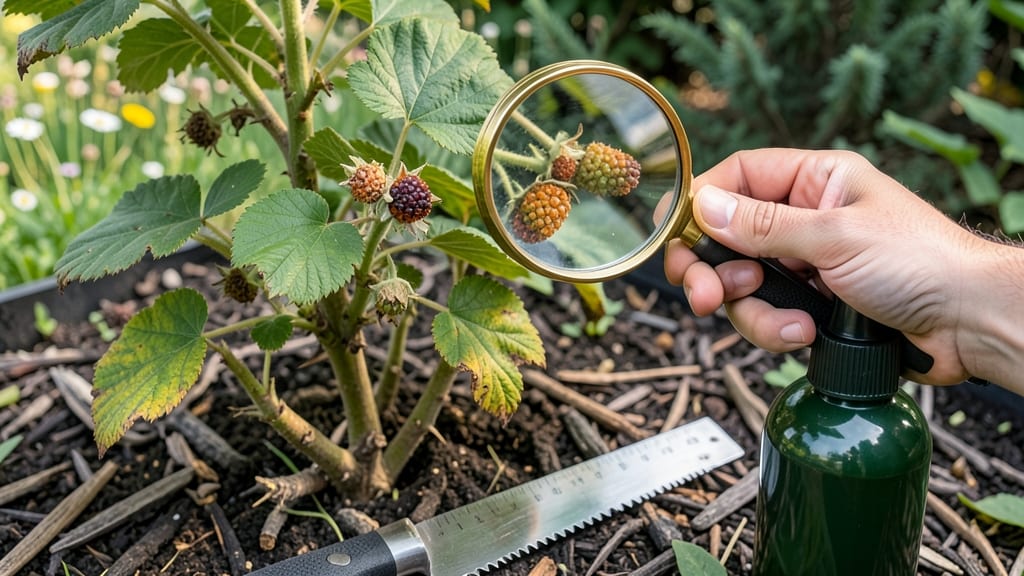
Blackberry leaf rust turns crispy edges into a gardener’s worst nightmare—until you know the copper spray trick that stops it in its tracks. 🌿 I’ve watched this fungal disease transform vibrant foliage into brittle, yellowed messes, but the right treatment can revive your plants faster than you’d expect.
The key isn’t just spraying; it’s timing, technique, and a little preventive elbow grease that keeps rust from coming back.
This fungal infection thrives in damp, shady conditions, clinging to leaves like orange dust before they crisp at the edges. Most gardeners panic when they see it, but copper spray—applied at the first sign of yellow spots—can halt its spread within 24 hours.
The secret? Spraying early morning when leaves are dry, using a 2-3% copper fungicide, and repeating every 7-10 days until new growth appears. No fancy tools needed, just a pump sprayer and persistence.
By the time you finish the second spray, your blackberries will be pushing out fresh, crispy-edged leaves again, and the rust will be nowhere in sight. The plants recover surprisingly fast, especially if you pair the spray with better airflow—thinning canes and pruning crowded branches.
Within weeks, you’ll have a bush that looks as good as it tastes, with fewer fungal reminders.
Works for both thornless and traditional varieties, and the same approach prevents rust from taking hold next season. Here’s how to make it happen without losing another harvest to those telltale crispy edges.
The Hidden Triggers Behind Fungal Foliage Foes
Blackberry leaf rust isn’t just a random nuisance—it’s the result of a perfect storm of environmental and biological factors. Understanding these triggers is the first step to stopping the spread and restoring your plants’ crisp, healthy edges.
Let’s break down the key culprits behind this stubborn fungal infection, so you can outsmart it before it ruins your harvest.
Fungal spores thrive in wet conditions, and blackberry leaf rust is no exception. Here’s how moisture fuels its spread:
- Prolonged leaf wetness: Rust spores need at least 9–12 hours of moisture on leaf surfaces to germinate and infect. Heavy dew, frequent rain, or overhead irrigation create the ideal breeding ground. 💡 Pro tip: If your region sees consistent humidity or rain, rust outbreaks are likely—monitor leaves closely during these periods.
- Poor drainage: Waterlogged soil keeps leaves damp longer, extending the infection window. If your blackberries sit in soggy ground, fungal spores get a free pass to colonize.
- Morning dew: While not as severe as rain, dew can still spread spores if it lingers into the day. Early-morning sprays (like copper-based treatments) can disrupt this cycle.
Actionable fix: Improve airflow around plants, use drip irrigation (not overhead), and water in the early morning so leaves dry by evening.
Blackberry bushes with dense, tangled foliage trap moisture and block sunlight—two things rust loves. Here’s why overgrowth is a disaster:
- Reduced airflow: Stagnant air keeps humidity high, slowing evaporation and prolonging leaf wetness. Rust spores hitchhike on wind or splashing water, spreading faster in crowded spaces.
- Shaded leaves: Low light weakens plants, making them more susceptible to stress and infection. Rust thrives on stressed-out blackberries.
- Spores multiply unseen: In thick canopies, infected leaves rub against healthy ones, physically transferring spores. It’s like a fungal game of telephone—except way more destructive.
Actionable fix: Prune aggressively to open up the canopy, aiming for 30–50% more airflow. Remove all infected leaves immediately (don’t compost them—bag and trash them!).
Blackberry leaf rust isn’t picky about heat or cold—it just hates extremes. The fungus flourishes in:
- Moderate temperatures (60–80°F): This is the goldilocks zone for rust spores. Cooler nights (50–60°F) followed by warm days create ideal germination conditions.
- Sudden temperature swings: Rapid shifts (like a cold snap followed by heat) stress plants, lowering their defenses and making them easy targets.
Actionable fix: Monitor your local weather and apply preventive copper sprays when temps hover in the 60–70°F range. Mulch around plants to buffer temperature fluctuations.
Healthy blackberries resist rust—but stressed, nutrient-deficient, or injured plants are fair game. Common weaknesses that invite rust:
- Nitrogen deficiency: Yellowing leaves (chlorosis) signal weak plants. Rust loves nitrogen-starved foliage because it’s easier to penetrate.
- Physical damage: Pruning cuts, hail, or pest bites create entry points for spores. Rust can even infect through tiny wounds you can’t see.
- Poor soil health: Compacted, acidic, or depleted soil weakens roots, making the whole plant vulnerable. Rust spreads faster in underfed bushes.
Actionable fix: Boost plant health with balanced fertilizer (high in nitrogen but not too much—aim for a 10-10-10 ratio). Test soil pH (aim for 5.5–6.5) and amend with compost or lime if needed.
Now that you know the root causes of blackberry leaf rust, you’re armed to disrupt its life cycle. The next step? Copper sprays and quick fixes to turn back the tide in 24 hours.
Revive Your Blackberries Fast
Fungal infections like leaf rust can turn your blackberry bushes from lush and productive to a shadow of their former selves—but don’t panic! With the right approach, you can stop the spread, heal damaged foliage, and even restore crispy, healthy edges in as little as 24 hours.
Below are targeted solutions based on the root causes of leaf rust, paired with preventive strategies to keep your bushes thriving.
Cause: Fungal spores thrive on decaying organic matter, spreading faster when left unattended. Fix:
- 🍂 Prune aggressively—clip off all yellow, orange, or rust-colored leaves (use clean, sterilized shears).
- 🗑️ Bag and dispose of infected leaves in the trash (not compost)—do not leave them near the bush.
- 🌿 Thin out dense foliage to improve air circulation, reducing humidity (a fungal favorite).
Pro Tip: 💡 Work on a cloudy day or in the evening to avoid stressing the plant with direct sunlight during pruning.
Cause: Rust fungi rely on moisture and organic buildup—copper disrupts their life cycle. Fix:
- 🛒 Use a liquid copper fungicide (like copper sulfate or copper hydroxide), available at garden centers.
- 👨🍳 Mix as directed (typically 1–2 tbsp per gallon of water) and spray thoroughly on both sides of leaves, stems, and soil around the base.
- ⏰ Reapply every 7–10 days (or after rain) until new growth appears healthy.
- 🌡️ Best timing: Early morning or late afternoon to avoid leaf burn from sunlight.
Pro Tip: ✨ For organic growers, try a neem oil + copper combo (1 tsp neem oil + copper spray) for extra fungal defense.
Cause: Weakened plants (from poor nutrition or stress) are prime targets for rust. Fix:
- 💪 Feed with a balanced fertilizer (10-10-10 or 5-5-5) to strengthen roots and foliage.
- 🌱 Add compost or worm castings around the base for slow-release nutrients and microbial support.
- 🚫 Avoid high-nitrogen fertilizers (like lawn food)—they promote lush but susceptible growth.
Pro Tip: 🎯 A seaweed extract spray (1 tbsp per gallon) boosts natural defenses—apply every 2 weeks.
Cause: Overhead watering splashes spores onto leaves, while soggy soil invites fungal growth. Fix:
- 💦 Water at the base (use drip irrigation or soaker hoses) to keep leaves dry.
- ⏰ Water in the morning so foliage has time to dry before evening humidity sets in.
- 🌧️ Improve drainage—amend heavy soil with perlite or sand to prevent waterlogging.
Pro Tip: 🌡️ Mulch with straw or pine needles (not wood chips) to retain moisture in the soil while keeping leaves dry.
Cause: Rust spores linger in soil and debris, ready to reinfect next season. Fix:
- 🌱 Rotate crops—avoid planting blackberries (or related plants like raspberries) in the same spot for 3–4 years.
- 🧼 Sterilize tools—wipe pruners with rubbing alcohol between cuts to prevent cross-contamination.
- 🌿 Choose resistant varieties—look for ‘Chester,’ ‘Natchez,’ or ‘Triple Crown’ blackberries, bred for disease resistance.
- 🍂 Clean up fallen leaves in autumn—rake thoroughly and remove debris from the area.
Pro Tip: 🔥 Plant companion plants like thyme, rosemary, or garlic nearby—their antifungal properties deter rust spores.
With copper sprays + pruning + proper care, you should see noticeable improvement in 24–48 hours—especially if you catch the rust early. For severe cases, repeat treatments until new, rust-free leaves emerge (usually 1–2 weeks).
Final Checklist: ✅ Pruned all infected leaves ✅ Applied copper spray (2x in first week) ✅ Adjusted watering & fertilization ✅ Added mulch & improved airflow
By tackling the problem systematically, your blackberry bushes will bounce back—crisp, green, and ready for harvest! 🍇✨
Frequently asked questions about blackberry leaf rust
How quickly can copper spray stop blackberry leaf rust?
With proper application, you can see noticeable improvement in 24 hours—especially if you catch the rust early. Copper fungicides disrupt the fungal life cycle, halting spore production when applied every 7-10 days during active growth. For best results, spray early morning on dry leaves using a 2-3% copper solution.
Can blackberry plants recover from leaf rust damage?
Yes, with treatment! Prune all infected leaves immediately and apply copper spray to stop further spread. Healthy plants will produce new, rust-free leaves within 1-2 weeks if you maintain proper care. The key is acting fast—don't wait for the rust to spread to 50% of the foliage, as this weakens the plant's recovery potential.
Is copper spray safe for edible blackberry fruits?
When used correctly, copper fungicides are safe for edible fruits once the spray has dried (wait 24-48 hours before harvest). Always follow label instructions for application rates and timing. For extra safety, choose organic copper options like copper hydroxide, which breaks down more easily in the environment.
Why does leaf rust spread faster in crowded blackberry bushes?
Poor airflow in dense foliage creates the perfect conditions for rust spores—high humidity and prolonged leaf wetness. When branches rub together, spores transfer between leaves like a fungal chain reaction. Prune to open up the canopy by 30-50% and remove all infected leaves immediately to break this cycle.
What's the best time of year to prevent leaf rust?
Start preventive sprays in early spring (before new growth appears) and continue through late summer, when conditions are most favorable for rust development. Focus on spring and fall cleanups—remove all fallen leaves and debris where spores overwinter. Apply a final copper treatment in early autumn to protect next year's growth.