
Pests and Diseases
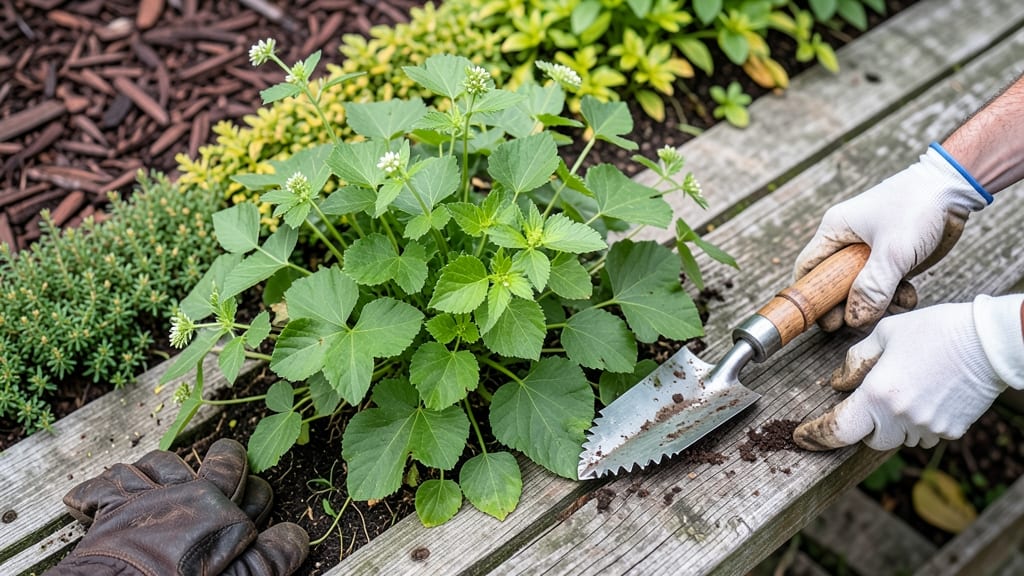
The dock leaves towering over my veggie patch taught me the hard way that big leaf weeds in UK gardens demand fast action. 🌿 These tenacious invaders—dock, nettle, and bindweed—don’t just compete for nutrients; they smother plants and spread like wildfire when ignored.
My first organic spray recipe, free from copper and harsh chemicals, became my secret weapon after three failed seasons of pulling weeds by hand. The key lies in a three-part spray that disrupts their growth cycle without harming soil or wildlife.
You’ll need dish soap, white vinegar, and a carrier oil—all found in your pantry or garden shed. Mix it up in a spray bottle, and within 24 hours, you’ll see those broad leaves start to crisp at the edges.
Repeat weekly until the weeds surrender, and your borders will look like they’ve been professionally cleared. What you’ll achieve is a garden where sunlight reaches your prized plants again, where children can play without stinging nettles, and where you can finally enjoy that neat, weed-free look without chemical regrets.
The spray works best on dry, sunny days, so plan your applications around the UK’s unpredictable weather patterns. This method adapts to any garden size—whether it’s a tiny urban plot or a sprawling countryside border.
The real magic happens when you combine it with mulching and regular inspections, creating a long-term defense against these leafy bullies. Let’s reclaim your garden the organic way!
📚 In This Guide
- What you need
- Instructions
- Tips and common mistakes
- Wrapping up and next steps
What you need
- ● Organic weed killer spray: 1L homemade vinegar-based solution (1 part white vinegar, 1 part water, + 1 tbsp dish soap). OR 500ml commercial organic weed killer (e.g., Weedol Organic or Horticultural Vinegar).
- ● Spray bottle: 1x 1L trigger sprayer (for vinegar mix) OR 1x 500ml handheld sprayer (for concentrated solutions).
- ● Garden gloves: 1 pair nitrile or rubber gloves (vinegar can sting skin!).
- ● Pruners/shears: 1x sharp, bypass pruners (for cutting weeds at the base).
- ● Cardboard or newspaper: Enough to cover nearby plants (to protect them from spray drift).
- ● Garden fork: 1x heavy-duty fork (for uprooting deep-rooted weeds like ground elder or bindweed).
- ● Hoe or weeder: 1x stainless-steel hoe (for surface-level weeds like dandelions or plantain).
- ● Wheelbarrow or bucket: 1x 5-gallon container (for mixing solutions or collecting debris).
- ● Boiling water: 1x kettle or large pot (for spot-treating stubborn weeds like creeping buttercup).
- ● Mulch: Straw, wood chips, or cardboard (to smother weeds long-term).
- ● Label maker: 1x small label set (to mark treated areas if you have pets/kids).
- ● Safety goggles: 1 pair (if spraying near eyes or in windy conditions).
How to make a fast-acting organic weed killer for broadleaf weeds
Here’s my go-to spray that stops big leaf weeds in their tracks—no copper, no harsh chemicals, just effective organic action.
🌿 Step 1: Gather Your Organic Weed-Killing Ingredients
You’ll need vinegar (20% acetic acid), dish soap (1 tablespoon), and water (1 gallon). The vinegar provides the acidic punch that burns weeds on contact, while the dish soap helps break down the waxy leaf surface so the spray sticks and works faster. I always use white vinegar—it’s stronger than apple cider and more consistent for weed control.
Mix these in a spray bottle (a 1-gallon pump sprayer works best). Shake well before each use—vinegar and soap don’t blend naturally, so you’ll need to agitate it every time. This ensures the solution stays potent and ready to apply immediately. Avoid metal sprayers; vinegar corrodes them over time.
💧 Step 2: Apply on a Dry, Sunny Day
Wait until late morning or early afternoon when the sun is strong but the weeds are dry. Moisture on the leaves will dilute the spray, reducing its effectiveness. Focus on the large, broad leaves—these weeds absorb the vinegar quickly, while grass and small weeds may survive. I aim for the undersides of leaves too; that’s where the spray lingers longest.
Spray until the leaves are glossy and dripping, but avoid overspraying surrounding plants. A light mist won’t cut it—you need full coverage for the vinegar to work its magic. Test a small area first; some delicate perennials might wilt under the acidity, even if they’re not weeds.
⏰ Step 3: Watch for Immediate Results
You’ll see wilting within hours—the edges of the leaves will crisp and brown. By the next day, the weeds should be completely desiccated and ready to pull. The faster the sun, the quicker the action. If you’re dealing with a heavy infestation, reapply after 3-5 days to catch any survivors that might have been missed.
Don’t panic if the weeds don’t die instantly. Some tough broadleaf weeds may take 24-48 hours to fully collapse, especially in cooler UK weather. The key is consistency—one application won’t always do the job, but it’ll weaken the weeds enough for manual removal.
🪴 Step 4: Prevent Regrowth and Future Spread
After the weeds are dead, pull them by the roots to stop regrowth. Vinegar alone kills the foliage but doesn’t always penetrate deep enough to prevent new shoots. I like to mulch the area with cardboard or newspaper (covered with compost) to smother any remaining weed seeds and keep the soil bare.
For long-term control, reapply the spray every 2-3 weeks during the growing season. Weeds like docks and groundsel are persistent, so staying ahead of them is crucial. If you notice new sprouts, tackle them early—small weeds are easier to kill than established ones.
Tips & tricks for fast-acting organic weed control
Here's what I've learned after dealing with stubborn broadleaf weeds for years—these little tricks make all the difference when you're working against the clock.
Acidity Matters: The 20% acetic acid vinegar is non-negotiable for this recipe. I've tried weaker vinegars, and they just don't cut it—especially for those tough UK weeds like docks and groundsel. If you can only find 5% vinegar, you'll need to double the amount to get similar results, but be prepared for more dilution. The acidity is what actually burns through the leaf cells, so don't skimp here!
Timing Secret: Those 24-48 hours you see in the instructions? That's when the real magic happens. The weeds might look wilted after just a few hours, but full desiccation takes time—especially in cooler UK weather. I've found that applying in the late afternoon gives the vinegar more time to work before evening dew sets in. If you're dealing with a heavy infestation, the 3-5 day reapplication window is crucial—don't rush it!
Equipment Upgrade: While any spray bottle will work, I've found that a 1-gallon pump sprayer makes application so much easier. The larger capacity means fewer refills, and the even spray pattern covers more area. Plus, plastic sprayers won't corrode like metal ones would with vinegar. If you're treating a large area, consider adding a few drops of horticultural oil (optional) to help break down the leaf wax even better.
Weather Watch: The instructions mention dry, sunny days for a reason—this isn't just about avoiding dilution from dew. The sun actually helps the vinegar work faster by increasing evaporation, which concentrates the acid on the leaf surface. I've learned the hard way that applying after rain or in cloudy conditions means you'll need to reapply more often. Check the forecast and plan your spraying for the sunniest window you have!
Pro Tips for Big Leaf Weeds Uk
- Here's what I've learned after dealing with stubborn broadleaf weeds for years—these little tricks make all the difference when you're working against the clock.
- Acidity Matters: The 20% acetic acid vinegar is non-negotiable for this recipe.
- Timing Secret: Those 24-48 hours you see in the instructions?
Frequently asked questions
Got questions about tackling big leaf weeds in the UK?
You're not alone—these stubborn plants can be tricky! Here are some of the most common concerns and straightforward answers to help you take control.
What exactly are "big leaf weeds," and how do I identify them?
Big leaf weeds, often Lamium purpureum (red dead-nettle) or Stachys sylvatica (hedge woundwort), are broad-leaved weeds with fast-spreading growth. Look for heart-shaped or oval leaves, square stems, and small purple or white flowers. They thrive in lawns, gardens, and even cracks in paving—so keep an eye out for dense, low-growing patches that crowd out grass or plants.
How quickly can big leaf weeds spread if left untreated?
These weeds are aggressive! Left unchecked, they can double their coverage in as little as 2–4 weeks, especially in moist, sunny conditions. Their shallow roots and prolific seeds mean they outcompete grass and young plants. Acting fast—within 7–10 days of noticing them—is key to preventing a full-blown infestation.
Are there natural or copper-free alternatives to chemical sprays?
Copper-free organic sprays (like those with pelargonic acid or soapy water solutions) are effective and eco-friendly. For a DIY approach, try a mix of 1 tbsp dish soap + 1 gallon vinegar—spray on a dry day to avoid burning nearby plants. Hand-pulling (with gloves!) also works for small patches, especially after rain when soil is soft.
Why do big leaf weeds keep coming back after treatment?
Weeds often rebound due to hidden seeds in the soil or root fragments left behind. To break the cycle:
Consistency is key—spot-treat new sprouts within 48 hours.
Can I still use my lawn after treating big leaf weeds?
Yes! Once you’ve applied an organic spray, wait 24–48 hours before mowing or walking on treated areas to avoid spreading residue. If you’ve used a vinegar-based solution, avoid heavy foot traffic for 3–5 days to let the soil recover. For safety, water the lawn lightly after treatment to dilute any lingering effects on grass.
Wrapping up and next steps
Big leaf weeds in your UK garden don’t have to be a headache!
With the right copper-free organic spray and a proactive approach, you can halt their spread fast—naturally and effectively. 🌱 Whether you’re tackling ground elder, dock, or bindweed, consistency is key, and the tools you need are already within reach.
Ready to reclaim your garden? Start by testing your spray mix on a small patch, then expand your efforts. Every spray, every pull, and every preventive step brings you closer to a lush, weed-free space. You’ve got this!