
Pests
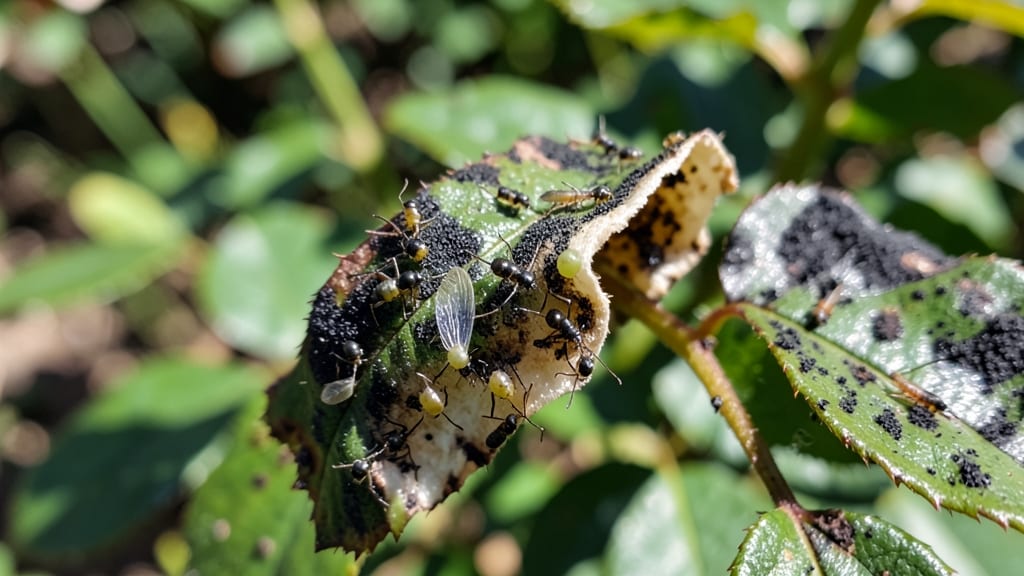
Your plants’ crispy-edged leaf damage is a dead giveaway—aphids are sucking the life out of them. 🌿 I’ve seen this happen to roses, tomatoes, and even my prized basil, and the good news is you can turn things around with a few targeted fixes.
The key is acting fast before the damage spreads to the whole plant.
These tiny pests leave behind sticky residue (called honeydew) and curled, wilted leaves that look like they’ve been sunburned. Most gardeners reach for harsh chemicals first, but the real solution is simpler: prune the worst-hit leaves, spray with soapy water or neem oil, and introduce beneficial insects like ladybugs.
I’ve saved entire plants this way—no chemicals needed.
Within a week of treatment, you’ll see new growth pushing out, and the aphids will disappear. The plants won’t just survive—they’ll bounce back stronger, with glossier leaves and more vibrant blooms. This method works for vegetables, flowers, and even houseplants.
Prevention is the real game-changer: plant companion flowers like marigolds or nasturtiums nearby, and check your plants weekly for early signs. Once you’ve mastered this, aphids won’t stand a chance in your garden.
Root Causes Of Leaf Damage
Aphids may seem like tiny, harmless pests, but their presence can wreak havoc on your plants, leaving behind aphid leaf damage that weakens growth and ruins aesthetics. Understanding why they target your plants—and how they cause damage—is the first step to stopping them.
Below, we break down the scientific and environmental triggers that turn aphids into leaf-destroying invaders.
Aphids are attracted to plants that are already struggling. When plants are nutrient-deficient, overcrowded, or stressed, their natural defenses weaken, making them easier targets. Here’s why:
- Poor Nutrition = Weak Defenses Plants deprived of essential nutrients (like nitrogen, phosphorus, or potassium) produce softer, more tender leaves—aphid favorite snacks. Aphids detect these chemical signals and swarm in.
- Overcrowded Growth Creates Hiding Spots Dense foliage traps moisture and blocks airflow, creating the perfect microclimate for aphids. They thrive in shaded, humid conditions where predators (like ladybugs) can’t reach them.
- Root Stress From Overwatering or Drought Both overwatering (leading to root rot) and drought stress (causing wilting) signal to aphids that a plant is vulnerable. They exploit these conditions to drill into stems and suck out sap without resistance.
Pro Tip: 💡 Test your soil’s pH and nutrient levels—aphids love plants with a pH below 6.0. Amending soil with compost or lime can deter them naturally.
Aphids reproduce exponentially fast—a single female can give birth to 50-100 live nymphs in a week without mating! Their life cycle is a major reason they spread so quickly:
- Parthenogenesis (No Males Needed) Most aphid species reproduce asexually in warm weather, meaning they don’t need males to multiply. This leads to explosive population growth when conditions are ideal.
- Seasonal Migration Patterns Aphids often hitch a ride on wind or insects (like ants, which farm them for honeydew) to new plants. In spring and early summer, they colonize young, tender shoots first.
- Ant Symbiosis: The Unholy Alliance Ants protect aphids in exchange for their sticky honeydew secretions. If you see ants crawling on your plants, they’re likely herding aphids—and that’s a red flag for an impending infestation.
Pro Tip: 🔥 Disrupt ant trails with diatomaceous earth or sticky barriers to break their aphid-farming operation.
Aphids are highly sensitive to temperature and humidity, and certain weather conditions turn your garden into their personal paradise:
| Condition | Why Aphids Love It | How to Counteract |
|---|---|---|
| Warm (60–80°F) | Ideal for rapid reproduction and movement. | Use reflective mulch to reduce heat stress. |
| High Humidity | Slows down natural predators (like lacewings) and keeps aphids hydrated. | Improve airflow with pruning or spacing. |
| Dry, Windless Days | Reduces beneficial insect activity (e.g., ladybugs) while aphids thrive in still air. | Encourage wind flow with strategic planting. |
| Sudden Temperature Shifts | Weakens plant immunity, making them easier prey. | Use row covers in early spring to moderate temps. |
Pro Tip: 🌡️ Monitor your local weather—aphid outbreaks spike after warm, rainy springs. Be proactive with preventive sprays before they arrive.
Not all plants are equally appealing to aphids. Soft-stemmed, fast-growing, or sap-rich plants are their top picks:
- Most Vulnerable Plants (Aphid Buffet Menu):
- Vegetables: Cabbage, lettuce, spinach, peas, beans
- Fruits: Roses, strawberries, apples, peaches
- Flowers: Dahlias, chrysanthemums, nasturtiums
- Trees/Shrubs: Willow, birch, maple, raspberry
- Why These Plants? Aphids prefer plants with thin, tender leaves and high sugar content in their sap. For example:
- Roses have fuzzy leaves that trap moisture, perfect for aphid colonies.
- Peas and beans grow quickly, providing a constant food source.
Pro Tip: ✨ Interplant with aphid-repellent species like marigolds, garlic, or mint to confuse and deter them.
Aphids don’t just see vulnerable plants—they detect chemical signals that indicate stress or poor health:
- Volatile Organic Compounds (VOCs) Stressed plants release specific gases (like ethylene) that aphids use as a warning beacon. These compounds are like a neon sign saying, "Eat me—I’m weak!"
- Sugar-Rich Sap = Aphid Goldmine Plants under nutrient stress or drought produce more sugars in their sap to survive. Aphids are drawn to this high-energy food source like bees to honey.
- Damaged Leaves Attract More Aphids Once aphids start feeding, they leave behind saliva and honeydew that alter leaf chemistry, making it even more attractive to other aphids.
Pro Tip: 🎯 Spray plants with a neem oil solution (1 tsp per quart of water) to mask these chemical signals and deter new arrivals.
Aphid leaf damage isn’t just about the pests—it’s about why they choose your plants in the first place. By addressing nutritional deficiencies, overcrowding, and environmental triggers, you can make your garden less appealing to these tiny sap-suckers. The key? Strong plants = fewer aphids. 🚀
Fixing and Preventing Sap-Sucking Stress
Aphids may be tiny, but their damage can leave your plants looking ragged and stressed. The good news? With the right approach, you can reverse the damage and keep your plants thriving.
Below are targeted solutions based on the root cause of aphid leaf damage—whether it’s direct feeding, honeydew buildup, or secondary infections—plus prevention tips to stop future outbreaks.
If you catch aphids early, physical removal is the fastest way to stop the damage.
- 👨🍳 Blast Them Off Use a strong stream of water from a hose to dislodge aphids from leaves and stems.
Do this in the early morning so plants have time to dry before evening. - Pro Tip: 💡 Add a drop of dish soap to the water to help break their waxy coating.
- 🪰 Prune Infested Growth Cut off severely damaged leaves, stems, or shoots where aphids cluster. Dispose of them in a sealed trash bag (not compost) to prevent reinfestation.
- Warning: ⏰ If aphids are on woody plants (like roses or fruit trees), avoid heavy pruning—focus on spot-treatment instead.
Chemical sprays can work, but eco-friendly options are safer for your plants (and pollinators).
| Solution | How to Use | Best For |
|---|---|---|
| Neem Oil Spray | Mix 1 tsp neem oil + 1 tsp mild soap + 1 quart water. Spray every 5-7 days until aphids vanish. | All plants (safe for edibles) |
| Insecticidal Soap | Spray directly on aphids (avoid hot sun—can burn leaves). Repeat in 3-5 days. | Soft-bodied pests (aphids, mites) |
| Garlic & Chili Pepper Spray | Blend 2 garlic cloves + 1 tbsp cayenne + 1 quart water. Strain and spray. | Repels aphids naturally (strong smell) |
| Horticultural Oil | Apply early morning/late evening to suffocate aphids. Works well in cool weather. | Persistent infestations (roses, fruit trees) |
- Pro Tip: 🌡️ Best timing: Spray early morning or late evening to avoid harming beneficial insects like ladybugs.
Aphid honeydew isn’t just sticky—it attracts ants and fuels sooty mold, which blocks sunlight.
- 🧼 Wipe Down Leaves Use a damp cloth or sponge to gently clean honeydew off leaves. For large plants, hose them down carefully.
- 🔪 Trim Affected Foliage If sooty mold appears (black, fuzzy patches), remove heavily coated leaves and dispose of them properly.
- 🐜 Interrupt Ant Trails Ants farm aphids for honeydew. Use borax bait stations (out of reach of pets/kids) or diatomaceous earth near ant paths to break their cycle.
Stop aphids before they start with these low-effort habits:
- 🌿 Encourage Natural Predators Plant companion flowers like marigolds, dill, or fennel to attract ladybugs, lacewings, and parasitic wasps—aphid hunters!
- Bonus: 🎯 Avoid broad-spectrum pesticides—they kill beneficial bugs too.
- 🌱 Keep Plants Healthy Aphids love stressed plants. Ensure your garden gets:
- Proper watering (don’t overwater—aphids thrive in damp conditions).
- Balanced fertilizer (too much nitrogen = soft, aphid-friendly growth).
- Good airflow (crowded plants stay damp and attract pests).
- 🧴 Use Barrier Sprays (Preventative) Spray neem oil or kaolin clay on new growth every 2 weeks during peak aphid season (spring/early summer).
- 📅 Monitor Regularly Check undersides of leaves and new shoots weekly. Early detection = easier fixes.
Final Note: If aphids keep coming back, they might be deep in your soil or hidden in cracks. For severe cases, consider beneficial nematodes (microscopic worms that kill aphid eggs).
With these steps, your plants will bounce back faster—and stay aphid-free for good! 🌿✨
Frequently asked questions
Why do aphids prefer certain plants over others?
Aphids target plants with soft, tender leaves and high sugar content in their sap. They especially love fast-growing vegetables like peas, beans, and cabbage, as well as flowering plants like roses and dahlias. These plants provide an easy, nutrient-rich meal that aphids can't resist.
How quickly can aphid leaf damage spread?
Aphids reproduce exponentially fast—a single female can produce up to 100 offspring in just 7 days without mating! If left untreated, they can completely defoliate a plant in 2-3 weeks, especially during warm, humid conditions.
Is it safe to use dish soap to kill aphids?
Yes, but use it correctly—mix 1 tablespoon of mild dish soap with 1 quart of water and spray directly on aphids. Avoid using harsh detergents or spraying in direct sunlight, as this can damage plant leaves. Reapply every 3-5 days until aphids disappear.
Can aphid damage be reversed once it appears?
Yes! While severe damage may require pruning, most plants can recover with proper care. Focus on removing damaged leaves, treating with neem oil or insecticidal soap, and improving plant health through balanced fertilization and proper watering. New growth will often push out within 1-2 weeks.
What's the best time of day to treat aphids?
Always treat aphids early morning or late evening to avoid harming beneficial insects like ladybugs. This timing also allows plants to dry properly, reducing the risk of fungal infections from excess moisture.