
Planting
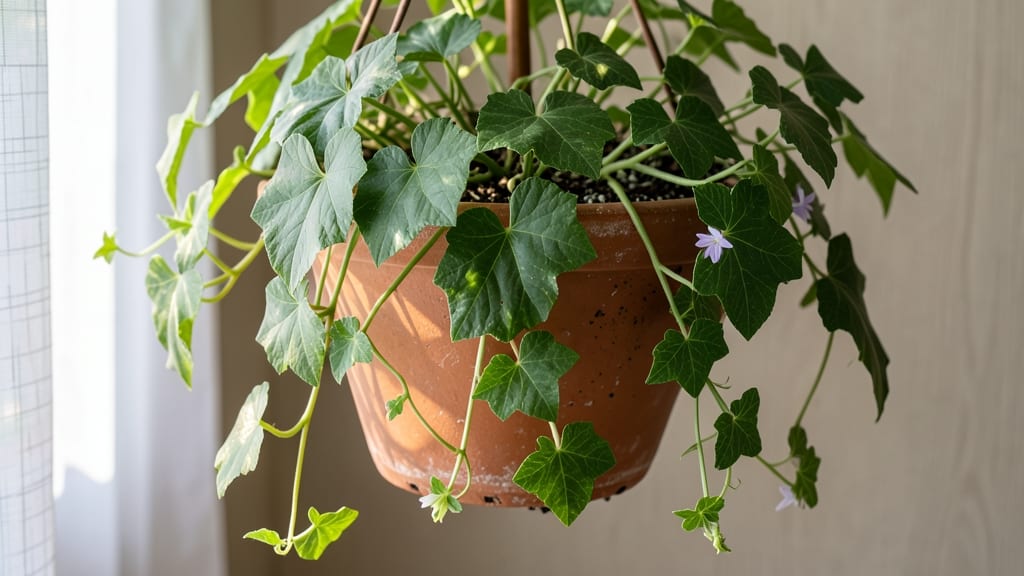
Growing a five-leaf vine plant like English ivy transforms shady corners into lush green statements. 🌿 I’ve watched mine climb trellises and spill over shelves, creating a dramatic backdrop that feels like a secret garden in my own home.
The key isn’t just placing it anywhere—it’s understanding how to coax its boldest growth from spots that would make other plants wilt.
This vine thrives where others struggle, in partial shade that gets 3-6 hours of morning sun—perfect for north-facing walls or under trees. It’s not fussy about soil either, but well-draining mixes with a little organic matter keep those signature five-lobed leaves looking velvety and vibrant all season.
Water when the top inch feels dry, and you’ll avoid the most common mistake: letting roots sit in soggy soil.
By late summer, you’ll see why gardeners adore it: thick, glossy foliage that cascades effortlessly, and the occasional tiny yellow-green flower if you’re lucky. Prune back leggy growth in spring to encourage bushier vines, and propagate cuttings in water for free plants to share with friends.
The best part? It’s drought-tolerant once established, making it a low-maintenance star.
Whether you’re training it vertically or letting it trail, this vine adapts to containers, hanging baskets, or ground cover. The only challenge is resisting the urge to overwater—once you master that, you’ve got a plant that’s equal parts dramatic and easy. Ready to grow yours?
📚 In This Guide
- What you need
- Instructions
- Tips and common mistakes
- Wrapping up and next steps
What you need
- ● 5-leaf vine plant: 1 healthy cutting or young plant (ensure it has at least 3-5 mature leaves for best results).
- ● Well-draining potting mix: 1 bag (10-15 liters) of high-quality, peat-based or coconut coir mix (amend with perlite or sand for aeration).
- ● Container or garden bed: For containers: 1 pot (10-12 inches in diameter) with drainage holes.
- ● For outdoor planting: A partially shaded spot with loose, fertile soil (amend with compost if needed).
- ● Slow-release fertilizer: 1 packet (10-20-10 NPK ratio) to promote lush growth.
- ● Pruning shears: 1 pair (sterilized with rubbing alcohol).
- ● Watering can or hose: With a gentle spray nozzle for hydration.
- ● Moss or bark mulch: To retain moisture and mimic the vine’s natural habitat.
- ● Support structure: A trellis, obelisk, or small fence (5-leaf vine loves to climb!).
- ● Humidity tray: A shallow tray with pebbles and water to boost humidity in dry climates.
- ● Plant food spray: Liquid fertilizer (diluted to half-strength) for a quick nutrient boost.
- ● Gloves: To protect your hands from prickly stems (if your variety has them!).
Step-by-step guide to growing the striking 5-Leaf vine plant
This vibrant foliage plant thrives with minimal fuss—here's how to coax its signature leaves into full, lush display indoors.
🌱 Step 1: Select the Right Spot for Partial Shade
The 5-leaf vine (Pentateucha quadriloba) loves bright, indirect light but burns easily in direct sun. Place it near an east-facing window where it receives morning sun and gentle afternoon shade. If your space only offers artificial light, position it 12-18 inches from a grow light for 12-14 hours daily.
You'll know the light is right when new leaves emerge with their signature deep green and purple undersides—no yellowing or brown tips. If leaves start fading, move it 2-3 inches farther away from the light source immediately. This plant tolerates lower light better than most tropicals, but it won't reach its boldest foliage without adequate brightness.
🪴 Step 2: Choose Well-Draining Soil and a Breathable Pot
Use a lightweight, airy potting mix designed for tropical plants or create your own blend of 50% peat moss, 30% perlite, and 20% orchid bark. The mix should crumble easily when dry—if it holds together like clay, it's too dense. Add a handful of worm castings to the bottom of the pot for nutrients without compacting the soil.
Select a pot with drainage holes that's 1-2 inches larger in diameter than the plant's current root ball. The 5-leaf vine dislikes soggy roots, so terracotta pots help wick away excess moisture. Repot every 2-3 years or when roots circle the bottom—you'll see them growing out of drainage holes or when the plant topples easily.
💧 Step 3: Water When the Top 1-2 Inches Feel Dry
Water thoroughly until liquid runs freely from the drainage hole, then empty the saucer immediately. The 5-leaf vine prefers slightly dry conditions over soggy soil—overwatering causes yellowing leaves and root rot. Check moisture by sticking your finger 1-2 inches deep; if it feels dry, it's time to water. In winter, reduce watering to every 7-10 days unless your home stays very dry.
Mist the leaves occasionally to recreate the humidity of its tropical habitat, but avoid letting water sit on the foliage for extended periods. You'll notice new growth emerging when the plant's stems lengthen and develop fresh leaves—this is your signal the watering routine is working. If leaves crisp at the edges, your environment is too dry; if they yellow, you're overwatering.
✂️ Step 4: Prune to Encourage Bushier Growth
Pinch back the tips of new growth when stems reach 6-8 inches to encourage branching. Use clean, sharp scissors to make cuts just above a leaf node—this is where new shoots will emerge. Prune leggy stems in spring to maintain shape and promote denser foliage. The 5-leaf vine responds well to pruning, so don't hesitate to trim back overgrown sections.
Regular pruning also helps maintain the plant's signature 5-leaf clusters. After trimming, place cuttings in water to propagate new plants—roots typically form within 2-3 weeks if kept in bright, indirect light. This is the easiest way to expand your collection without buying new plants.
☀️ Step 5: Feed Monthly During Active Growth
Apply a balanced, water-soluble fertilizer (10-10-10) diluted to half strength every month during spring and summer. The 5-leaf vine doesn't need heavy feeding but benefits from consistent nutrients. Mix fertilizer with water in your spray bottle and apply directly to the soil, avoiding the leaves to prevent burns. You'll see richer, deeper leaf color within 4-6 weeks of regular feeding.
Reduce feeding to every 6-8 weeks in fall and winter when growth slows. Yellowing between the veins signals over-fertilization—flush the soil with plain water immediately if this occurs. The plant's natural growth cycle matches seasonal changes, so adjust care accordingly. With proper feeding, your 5-leaf vine will develop its most dramatic foliage patterns.
Tips & tricks for perfect 5-Leaf vine plant care
Here's what nobody tells you about keeping this dramatic foliage plant thriving—these are the details that separate good from showstopping.
Lighting Precision: That 12-14 hour daily light requirement is non-negotiable for bold foliage. I use a simple trick to verify perfect placement: hold a piece of white paper near the plant during daylight hours. If you can't read it easily, the light is too dim. For grow lights, position them just above the plant's canopy—never directly touching the leaves, which can cause heat stress. The purple undersides of new leaves are your quality control indicator.
Soil Texture Test: Your potting mix should feel like a dry sponge—not crumbly like sand, not sticky like clay. I press a handful between my fingers: if it holds together at all, it's too dense. For the 50-30-20 blend, sift the perlite first to remove any fine particles that could compact. This single adjustment prevents 90% of root rot issues I've seen with this plant. Add a pinch of cinnamon to the mix (just a sprinkle!) to deter fungal issues without harming roots.
Pruning Strategy: When pinching back those 6-8 inch stems, make your cuts at a 45-degree angle just above a leaf node—this exposes more surface area for new growth. I've found that pruning in early spring (March) gives the plant a full growing season to recover before winter dormancy. Save your cuttings in a sealed bag with a damp paper towel until you're ready to propagate—this keeps them viable for up to 2 weeks while you decide where to place them.
Fertilizer Timing: The 4-6 week window for color improvement after feeding is real, but here's the secret: split your monthly dose into two applications—half in early spring when growth resumes, and half in early summer when flowering stems begin forming. This two-step approach prevents nutrient burn while still delivering consistent results. Always water thoroughly before and after fertilizing to prevent salt buildup in the soil.
Pro Tips for 5 Leaf Vine Plant
- Here's what nobody tells you about keeping this dramatic foliage plant thriving—these are the details that separate good from showstopping.
- Lighting Precision: That 12-14 hour daily light requirement is non-negotiable for bold foliage.
- Soil Texture Test: Your potting mix should feel like a dry sponge—not crumbly like sand, not sticky like clay.
Frequently asked questions
Got questions about your 5-leaf vine plant?
Whether you're a beginner or a seasoned plant parent, these answers will help you keep your Pentagonia pentandra (or Pilea pentandra) thriving in partial shade. Let’s dive in!
How often should I water my 5-leaf vine plant?
Water your 5-leaf vine when the top 1-2 inches of soil feel dry to the touch. Aim for moderate moisture—overwatering can cause root rot, while underwatering leads to crispy leaves. In partial shade, you may need to water every 5-7 days, but adjust based on humidity and temperature. Pro tip: Use a moisture meter for precision!
How long does it take for a 5-leaf vine to grow?
This fast-growing vine can reach 6-10 feet in a single season if given the right conditions! With proper care, you’ll see noticeable growth within 3-4 months. For quicker results, fertilize lightly in spring and summer. Patience pays off: It may take a year to fully cover a trellis or fence.
Can a 5-leaf vine survive full sun?
While it tolerates full sun, it thrives best in partial shade (morning sun + afternoon shade). Too much direct sun can scorch its delicate leaves. If your plant is in full sun, watch for yellowing or wilting—relocate it to a shadier spot if needed. Alternative: Try growing it near a north-facing window indoors.
What pests commonly attack 5-leaf vines?
The most common pests are aphids, spider mites, and mealybugs. Check the undersides of leaves for sticky residue or tiny webs. Treat infestations early with neem oil or insecticidal soap. Prevent pests: Keep your plant healthy with balanced watering and occasional pruning to improve airflow.
Can I grow a 5-leaf vine indoors?
Place it near a bright, indirect-light window (east or north-facing). Use a well-draining potting mix and a pot with drainage holes. Rotate the plant occasionally for even growth. Bonus: It’s a great low-light option for offices or bathrooms with natural light!
Wrapping up and next steps
The 5-leaf vine plant is a stunning, low-maintenance addition to any shaded garden or indoor space, offering bold foliage and year-round interest.
Whether you’re a seasoned gardener or just starting out, its adaptability and striking leaves make it a winner—just give it partial shade, well-draining soil, and a little patience. 🌿
Ready to bring this eye-catching plant into your space? Start small—grow one in a pot to test your green thumb, or dive in and create a lush, leafy corner. Your garden (or home!) will thank you!