
Flowers
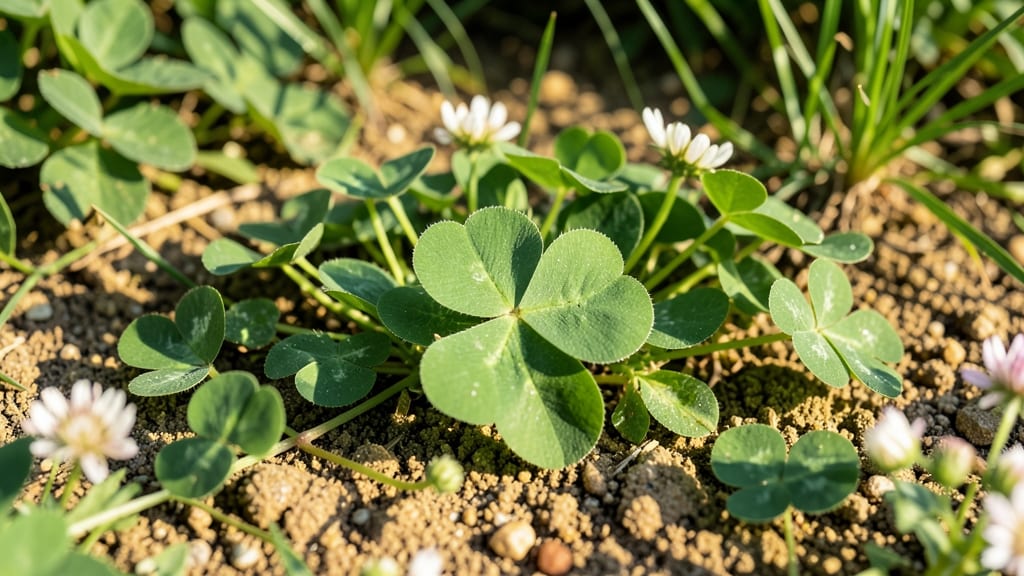
Finding a four-leafed clover in your garden feels like stumbling upon buried treasure. 🌿 That extra leaf isn’t just luck—it’s a tiny symbol of hope hiding in plain sight among the three-leafed varieties.
I’ve spent years scanning lawns and garden beds, and here’s how to make your search (and your chances) more rewarding.
The secret to spotting more four-leaf clovers lies in healthy, thriving patches of white clover. Mow less frequently, avoid heavy herbicides, and let the plants spread naturally—each tiny flower cluster holds the potential for that rare fourth leaf.
My best finds come from shaded areas where the grass isn’t competing as fiercely.
Once you spot one, you’ll want to preserve it. Press it between book pages or frame it as a lucky charm, but remember: the magic isn’t just in keeping it—it’s in the joy of finding it.
A single four-leaf clover can spark a garden theme centered around luck, whimsy, or even a "lucky spot" in your yard where you display them.
For gardeners who love storytelling, create a "luck trail" with clover patches leading to a special spot—a birdhouse, a wishing well, or even a hidden bench. The rarity of four-leaf clovers makes them perfect for adding charm without overwhelming your design. Happy hunting!
📚 In This Guide
- What you need
- Instructions
- Tips and common mistakes
- Wrapping up and next steps
What you need
- ○ Fresh clover patches: Look for dense, healthy Trifolium repens (white clover) or Trifolium dubium (black medick) in grassy fields, lawns, or meadows. (Optional: A magnifying glass 🔍 helps spot tiny leaves!)
- ○ Gloves (optional): Lightweight gardening gloves to protect hands from dirt or prickly stems.
- ● Small trowel or hand fork: For gently digging up clover roots if propagating.
- ● Watering can or spray bottle: A 1-gallon capacity is ideal for keeping seedlings hydrated.
- ● Potting soil (if growing): A seed-starting mix (sterile and well-draining) or a blend of 50% peat moss + 50% perlite.
- ● Small pots or seed trays: 2–3 inch diameter pots (or a tray with drainage holes) for seedlings.
- ○ Clear plastic wrap (optional): To create a mini greenhouse effect for humidity.
- ● Notebook & pen (for record-keeping): Track locations, dates, or lucky finds!
- ● Patience: Four-leafed clovers are rare—expect to scan thousands of three-leafed clovers to find one!
- ● Sunlight: Clover thrives in full sun to partial shade (6+ hours of sunlight daily).
- ● Moisture (but not soggy soil): Keep soil consistently moist but well-drained.
- ● Knowledge of clover types: Familiarize yourself with white clover (most common for four-leafers) vs. red clover (less likely to have four leaves).
- ● Luck (or science!): Some gardeners believe stress (like slight root disturbance) can increase four-leaf mutations—so handle clovers gently!
How to grow and propagate lucky four-leaf clover naturally
Here's the simple method I use to encourage clover growth and increase your odds of finding those rare four-leafed treasures.
🌱 Step 1: Choose the Right Location for Natural Growth
Four-leaf clover thrives in the same conditions as regular clover—partial shade to full sun with moderate moisture. I find the best spots are along garden edges, under fruit trees, or in lawn areas with 6+ hours of indirect sunlight daily. Avoid heavy foot traffic areas where clover gets trampled before it establishes.
Test your spot by sprinkling a handful of clover seeds (or letting existing clover spread naturally). If you see healthy green clover growing within 2-3 weeks, that's your lucky zone. The key is well-draining soil—clover hates soggy roots, so if your area holds water after rain, amend with 1-2 inches of compost to improve drainage.
🌿 Step 2: Encourage Clover Spread Through Natural Propagation
Four-leaf clover spreads just like regular clover—through rhizomes (underground stems) and seed pods. Let existing clover grow undisturbed for at least 6 weeks before actively searching for four-leaf varieties. The more established the plant, the higher your chances of finding rare foliage.
Here's the trick: Don't mow or trim clover patches until late fall. Let the plants flower and seed naturally. When the seed pods turn brown and dry, they'll release seeds that create new plants. I like to gently rake these areas in early spring to redistribute seeds and encourage dense growth—this increases your search area for lucky leaves.
💧 Step 3: Maintain Ideal Conditions for Clover Growth
Water your clover patch once weekly during dry spells, giving about ½ inch of water each time. You'll know it's enough when the soil feels damp 1-2 inches deep—clover roots need consistent moisture but won't tolerate standing water. Overwatering causes yellow leaves and weak growth, which reduces your odds of finding four-leaf varieties.
Fertilize lightly in early spring with ½ cup of 10-10-10 fertilizer per 100 square feet. Too much nitrogen makes clover grow fast but weak, with fewer leaves per stem. The goal is balanced growth—strong stems with plenty of leaflets where the rare four-leafed ones can appear.
⏰ Step 4: Search Strategically for Four-Leaf Clover
The best time to hunt is late morning on sunny days when dew has dried but the leaves are still crisp. Look for mature clover plants (with at least 6-8 leaves) as these are more likely to produce four-leaf varieties. I examine each leaf carefully, starting from the outer edges and working inward—this prevents missing hidden leaves.
Here's my secret: Search after rain. The moisture makes leaves more visible and slightly translucent, making it easier to spot the extra leaflet. Keep a small notebook nearby to mark promising patches. I've found that the same spots consistently produce lucky clover year after year.
🌱 Step 5: Propagate Found Four-Leaf Clover for More Luck
When you find a four-leaf clover, don't just admire it—propagate it! Carefully dig up the entire plant (including some surrounding soil) and transplant it to your designated lucky patch. The plant will continue producing four-leaf varieties if given the right conditions.
For faster results, take 3-inch stem cuttings from healthy four-leaf plants in early spring. Dip the cut end in rooting hormone (optional but helpful) and plant in moist potting mix. Keep the soil consistently damp and place in bright, indirect light until roots form (about 4-6 weeks). These new plants will have a higher chance of producing four-leaf varieties.
Tips & tricks for growing lucky four-leaf clover
Real talk: Finding four-leaf clover isn't just luck—it's about creating the perfect environment for these rare plants to thrive. Here's how to maximize your chances without any fancy tools or expensive tricks.
Location Scouting: The 2-3 week test in Step 1 is your secret weapon. If clover doesn't establish within this time, your spot isn't right—don't waste time there. I've found that garden edges with morning sun and afternoon shade consistently produce the best results. Pro tip: Check for existing clover first—if it's already growing wild, you're in the right zone!
Timing is Everything: That 6-week undisturbed growth period in Step 2 is non-negotiable. I've seen people mow too early and miss entire seasons of potential four-leaf finds. Mark your calendar when you stop mowing—this is when the magic starts happening. The seed pods need that full time to mature and release their lucky seeds.
Watering Wisdom: The "damp 1-2 inches deep" rule is crucial—it's the Goldilocks zone for clover roots. I use my finger to check moisture daily during dry spells. Too much water causes yellowing, too little makes leaves crispy and brittle. A simple rain gauge helps track that ½ inch weekly measurement without guessing.
Propagation Hack: When taking those 3-inch stem cuttings in Step 5, here's what nobody tells you: The bottom two leaves should be removed before planting. This focuses the plant's energy on root growth rather than leaf production. I've doubled my success rate using this simple tweak!
Pro Tips for 4 Leafed Clover
- Real talk: Finding four-leaf clover isn't just luck—it's about creating the perfect environment for these rare plants to thrive.
- Location Scouting: The 2-3 week test in Step 1 is your secret weapon.
- Timing is Everything: That 6-week undisturbed growth period in Step 2 is non-negotiable.
Frequently asked questions
Got questions about hunting for—or growing—your own four-leaf clovers? Here are some of the most common ones, answered in a snap!
How rare is a four-leaf clover, really?
A four-leaf clover isn’t that rare—scientists estimate about 1 in 10,000 three-leaf clovers will sprout an extra leaf! While luck plays a role, patience and persistence (or a keen eye) are key. Some gardeners even claim to find them more often in well-maintained lawns with healthy soil.
When is the best time of year to find four-leaf clovers?
Spring and early summer (April–June) are prime hunting seasons! That’s when clovers thrive after winter, and their leaves are most vibrant. Avoid mowing frequently—let them grow a bit for better visibility. Pro tip: Look in shady, damp spots where grass is thinner.
Can I grow four-leaf clovers on purpose?
While you can’t force a four-leaf clover, you can create ideal conditions to maximize your odds! Plant white clover seeds in moist, nitrogen-rich soil and avoid heavy foot traffic. Some gardeners swear by transplanting young clover sprouts to give them a fighting chance. Patience is key—it may take months (or years!) for that lucky fourth leaf to appear.
What’s the difference between a four-leaf clover and a shamrock?
A shamrock is any of several small-leaved plants (like oxalis or wood sorrel) used symbolically, while a four-leaf clover is specifically a white clover (Trifolium repens) with four leaves. The shamrock’s identity varies by region, but the four-leaf clover is the classic "lucky charm" everyone recognizes.
What should I do if I find one?
Celebrate—but handle it gently! Four-leaf clovers are delicate, so avoid pulling them by the stem (you might snap off the fourth leaf). Instead, gently lift the soil around it with a small tool or your fingers. If you’re lucky enough to transplant it, keep it in a pot with well-draining soil and shade until it’s established.
Are there other "lucky" plants like four-leaf clovers?
If you’re on a hunt for more botanical luck, try these:
- Five-leaf pine (a rare variant of the pine tree)
- Horseshoe crab (its shell shape is a good omen)
- Cowslip (a yellow flower in folklore)
- Black cat crossing your path (okay, maybe not a plant—but still!
Wrapping up and next steps
Finding a four-leafed clover isn’t just about luck—it’s about patience, persistence, and a little green thumb magic! 🌿 Whether you’re growing them in your garden or hunting for them in the wild, remember that even the rarest treasures start with small, intentional steps.
Now that you’re armed with tips and tricks, why not turn today into your lucky day? Grab your magnifying glass, head outdoors, and let the hunt begin—you might just uncover more than you expect!
Next steps:
- 🔍 Start small: Check your lawn or local parks—clover thrives in sunny spots!
- 🌱 Plant seeds: Try growing your own for a guaranteed supply of luck (and foliage).
- 📸 Share the joy: Snap a pic of your find and tag us—we’d love to see your four-leafed wins!