
Pruning
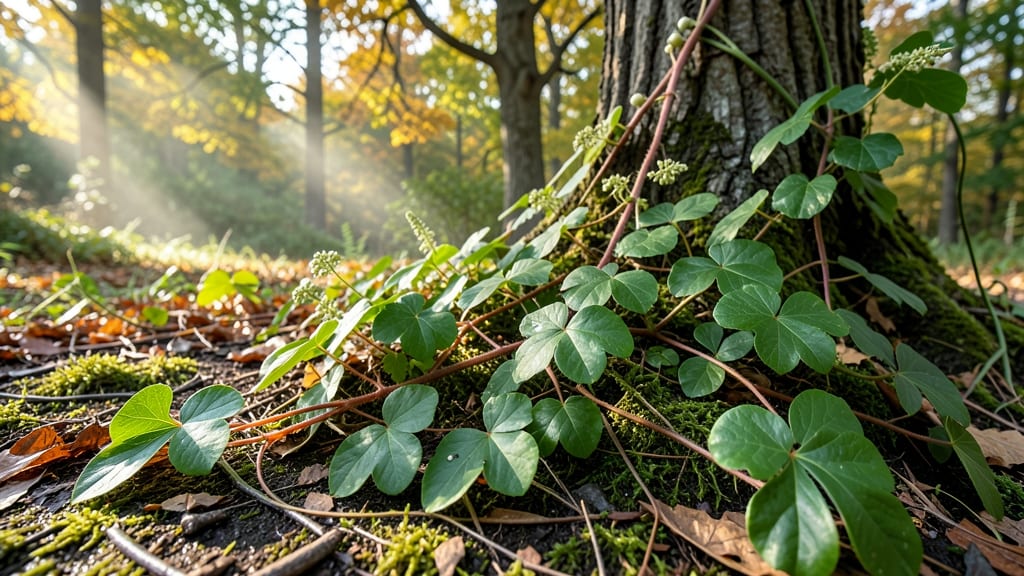
Propagating 3-leafed vines from cuttings is how I went from one struggling plant to a lush, sprawling vine in just 8 weeks. 🌿 Whether it's Virginia creeper, poison ivy, or edible legumes like asparagus bean, the same simple technique works—rooting in water or soil, your choice.
The key is timing: take cuttings right after flowering when the plant has energy to spare, and you'll see roots forming within 2-3 weeks.
Here's the thing—most people overthink it. You don't need fancy tools or sterile conditions. Grab sharp pruners, snip a healthy stem with at least three leaves (hence the name!), and pop it in water or moist soil. For water rooting, change it every 3-4 days to keep it fresh.
For soil, keep it consistently damp but not soggy. My first attempt in water failed because I forgot to change the water—now I set a reminder.
What you end up with is a thriving vine that climbs trellises, covers fences, or even grows in containers. The foliage turns stunning shades of red in fall, and if you're growing edible varieties, you'll have fresh pods by midsummer.
Just remember: some vines, like poison ivy, are toxic—always wear gloves and wash up after handling.
This method works for both ornamental and edible vines, though edible varieties need well-draining soil and regular feeding. Whether you're filling a bare wall or training a climbing plant, these vines deliver fast results with minimal effort. Let's get those cuttings growing!
Hidden Triggers Behind Trifoliate Growth
If you’ve ever spotted a vine with three leaves instead of the usual two or five, you might be looking at a plant with a genetic quirk—or a response to environmental stress.
Understanding the why behind this phenomenon helps gardeners troubleshoot, propagate, or even embrace the unique trait. Here’s a breakdown of the most common causes, backed by science and actionable insights.
Some plants naturally produce trifoliate (three-leafed) growth due to genetic variations. This is especially common in toxicodendron species (like poison ivy) or hybridized varieties where breeders intentionally cross-pollinate plants to create new traits.
- How it happens:
- Mutations in the _LEAFY_ or _APETALA2_ genes can alter leaf development, leading to extra leaflets.
- Hybridization between species (e.g., Toxicodendron radicans × Toxicodendron pubescens) may produce offspring with trifoliate leaves.
- What to do:
- If you’re propagating from cuttings, select healthy trifoliate stems to maintain the trait in future generations.
- Test soil for genetic compatibility if growing from seed—some hybrids thrive only in specific conditions.
New shoots often exhibit unusual leaf patterns due to hormonal fluctuations, particularly during rapid growth phases. Auxins (plant growth hormones) regulate cell division, and imbalances can lead to extra leaflets.
- How it happens:
- High auxin levels in young stems can trigger adventitious budding, where extra leaf primordia (leaf buds) form.
- Stress from transplanting or pruning can disrupt hormone distribution, causing temporary trifoliate growth.
- What to do:
- Apply a diluted rooting hormone (like IBA or NAA) to cuttings to stabilize hormone levels and encourage consistent growth.
- Avoid over-pruning—let vines establish before aggressive trimming to reduce stress.
Extreme temperatures, poor nutrition, or water fluctuations can force plants into survival mode, altering leaf structure. Trifoliate growth may appear as a coping mechanism to maximize photosynthesis.
| Stress Type | Effect on Leaves | Fix It |
|---|---|---|
| Cold snaps or heatwaves | Leaflets may fuse or split to reduce water loss. | Use mulch to regulate soil temp and shade cloth in summer. |
| Nutrient deficiency (e.g., nitrogen or magnesium) | Leaves may develop extra lobes or leaflets to compensate. | Test soil and amend with compost or Epsom salt (for magnesium). |
| Overwatering or drought | Root stress can trigger abnormal leaf growth. | Adjust watering to keep soil moist but not soggy. |
Pro Tip: 💡 If trifoliate growth persists after addressing stress, the plant may have adapted genetically—consider saving seeds or cuttings from that vine!
While rare, certain pathogens can alter leaf morphology. For example, the Cucumber mosaic virus (CMV) or Bacterial leaf blight can cause mosaic patterns or extra leaflets as the plant’s immune response.
- How to spot it:
- Look for yellowing, stunted growth, or lesions alongside trifoliate leaves.
- Check for oozing sap (bacterial) or crinkled leaves (viral).
- What to do:
- Isolate infected plants immediately to prevent spread.
- Use neem oil or copper fungicide as a preventive spray.
- Dispose of severely infected vines—don’t compost them.
Warning: ⚠️ Some trifoliate vines (like poison ivy) are toxic—wear gloves when handling!
By pinpointing the cause, you can decide whether to correct the issue or lean into the quirky trait—after all, unique foliage adds character to any garden!
How to solve it
If your three-leafed vines are popping up where you don’t want them—or if they’re struggling to thrive—don’t worry! With a few targeted steps, you can manage their growth effectively.
Below, we’ve broken down common issues and their solutions, from quick fixes to long-term prevention. Let’s get your vines back on track! 🌱✨
If your vines are taking over your garden or climbing where they shouldn’t, it’s time to prune and redirect them.
- 🔪 Trim aggressively: Use clean, sharp pruning shears to cut back overgrown vines to the desired length. Focus on removing vines that are sprawling into unwanted areas.
- 🌿 Redirect growth: Train vines along trellises, fences, or arbors to keep them contained. Use soft ties or plant clips to guide them without damaging the stems.
- 🌱 Mulch heavily: Apply a thick layer of mulch (like wood chips or straw) around the base to suppress new shoots from sprouting.
💡 Pro Tip: If the vine is spreading too aggressively, consider root pruning—gently dig around the roots and trim any long, wandering roots to encourage more controlled growth.
Yellowing or weak leaves can signal nutrient deficiencies, pests, or poor growing conditions. Here’s how to revive your vines:
- 💧 Check watering habits: Three-leafed vines (like pothos or philodendron) prefer consistently moist but not soggy soil. Water when the top inch of soil feels dry.
- 🌿 Fertilize lightly: Use a balanced, water-soluble fertilizer (like 10-10-10) every 4-6 weeks during growing season. Over-fertilizing can burn roots!
- 🐛 Inspect for pests: Look for spider mites, aphids, or mealybugs on the undersides of leaves. Wipe them off with a damp cloth or spray with neem oil for a natural remedy.
- ☀️ Adjust light exposure: Too much direct sun can scorch leaves, while too little can weaken the plant. Aim for bright, indirect light—like near an east-facing window.
💡 Pro Tip: If the soil feels compacted, loosen it gently with a fork and mix in compost to improve drainage and aeration.
If your cuttings aren’t rooting successfully, tweak your approach with these step-by-step fixes:
| Issue | Solution |
|---|---|
| 💧 Cuttings rotting in water | Use room-temperature, filtered water and change it every 3-5 days. Ensure only 1-2 nodes are submerged to prevent rot. |
| 🌱 No roots in soil | Use a light, well-draining mix (like perlite + peat moss). Keep soil moist but not wet and place in bright, indirect light. Cover with a plastic bag for humidity if needed. |
| 🍃 Cuttings wilting or turning brown | Reduce stress by dipping the cut end in rooting hormone (optional) and avoiding direct sunlight until roots form. |
⏰ Timeframe: Most cuttings root in 2-4 weeks. If nothing happens after 6 weeks, try again with fresh cuttings!
Three-leafed vines thrive in moderate conditions. If they’re struggling with heat, cold, or dry air, adjust their environment:
- 🔥 Too hot/dry: Move to a cooler spot (like a shaded patio or indoors near a window). Mist leaves daily or use a pebble tray for humidity.
- ❄️ Too cold/drafty: Keep away from windows or doors that let in cold drafts. If indoors, avoid placing near AC vents.
- 🌧️ Low humidity: Group plants together or use a humidifier to mimic their tropical habitat.
💡 Pro Tip: A simple DIY humidifier works great: Place the plant on a tray filled with water and pebbles, ensuring the pot doesn’t sit in water.
Keep your vines healthy and manageable with these easy maintenance habits:
- 📅 Regular pruning: Trim back vines every 4-6 weeks to encourage bushier growth and prevent overcrowding.
- 🌿 Rotate containers: If growing in pots, rotate them occasionally so all sides get even light.
- 🍂 Seasonal care: Reduce watering in winter (when growth slows) but keep soil slightly moist.
- 🚫 Pest-proofing: Wipe leaves with a mild soap solution monthly to deter pests.
- 🔄 Repot when needed: If roots are circling the pot, upgrade to a 1-2 inch larger container with fresh soil.
With these fixes, your three-leafed vines will stay lush, controlled, and thriving—whether you’re propagating new plants or keeping existing ones happy! 🌿💚
Frequently asked questions
Which common vines have three leaves?
The most recognizable are poison ivy (toxic), Virginia creeper (ornamental), and edible varieties like asparagus beans. Other trifoliate vines include pothos, philodendron, and some hybridized ornamental plants. Always verify identification—some toxic varieties mimic edible ones!
Can I propagate poison ivy from cuttings?
Yes, but proceed with extreme caution! Wear thick gloves and long sleeves—poison ivy's sap causes severe rashes. Use water propagation in a sealed container, and dispose of cuttings carefully after handling. Never compost poison ivy waste.
How do I tell if my vine is toxic?
Look for these warning signs: Reddish stems, leaf edges that meet at a single point (poison ivy), or a "leaves of three, let it be" rule. Virginia creeper has five leaflets, while toxicodendrons have three. When in doubt, research local plant databases or consult a horticulturist.
Why are my cuttings taking so long to root?
Slow rooting often means low humidity, old cuttings, or poor lighting. Try these fixes: Use a plastic bag over soil cuttings, take fresh cuttings from healthy growth, and place them in bright (but indirect) light. Root hormones can also speed up the process by 30-50%.
Are there edible three-leafed vines?
Asparagus beans, yard-long beans, and some varieties of peas have trifoliate leaves. Just confirm identification before eating—never consume wild vines unless you're 100% certain they're non-toxic. Growing from seed is safest for edible varieties.